Black Chia Seeds
What is Black Chia Seeds?
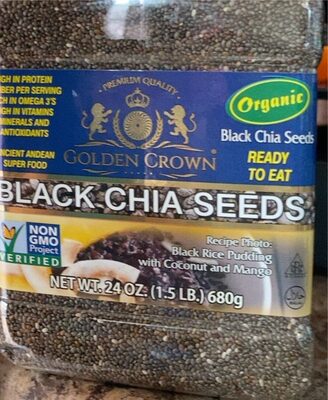
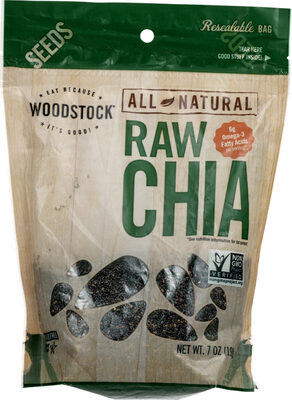
Black chia seeds are tiny seeds from the Salvia hispanica plant, native to Mexico and Guatemala. The seeds are harvested and typically sold whole, without further processing.
Is Black Chia Seeds vegan?
Black Chia Seeds is not animal-derived. Products that contain it can still include other animal-derived ingredients, so check the full ingredient list.
Is Black Chia Seeds gluten-free?
They do not contain gluten.
Is Black Chia Seeds a major allergen?
Chia seeds are not one of the nine major allergens identified by the FDA.
What is Black Chia Seeds used for?
Chia seeds are often added to foods for their nutritional value and texture.
Is Black Chia Seeds safe?
Chia seeds are generally recognized as safe (GRAS) by the FDA.
Why it's used
Chia seeds are often added to foods for their nutritional value and texture. They can absorb liquid, forming a gel, which is useful in puddings and as a thickener. They are commonly found in cereals, baked goods, and beverages.
Health notes
Chia seeds are generally recognized as safe (GRAS) by the FDA. They are a source of fiber, omega-3 fatty acids, and protein. Regulatory bodies like EFSA have evaluated chia seeds and found them to be safe for consumption. Research suggests chia seeds may contribute to feelings of fullness and potentially aid in blood sugar management due to their fiber content, though more research is needed.
Allergen info
Chia seeds are not one of the nine major allergens identified by the FDA. They do not contain gluten.
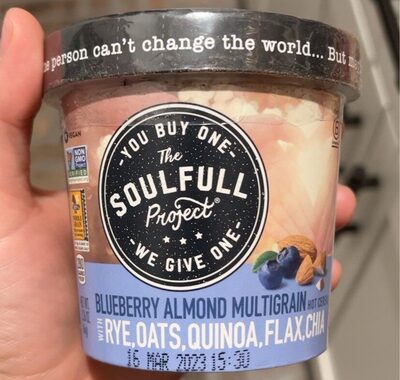
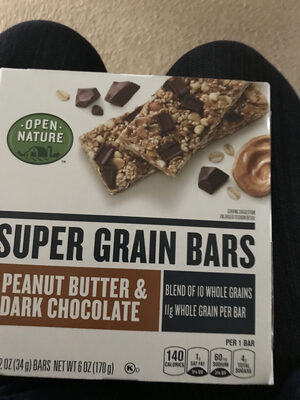
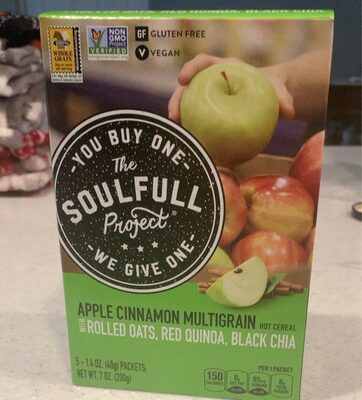
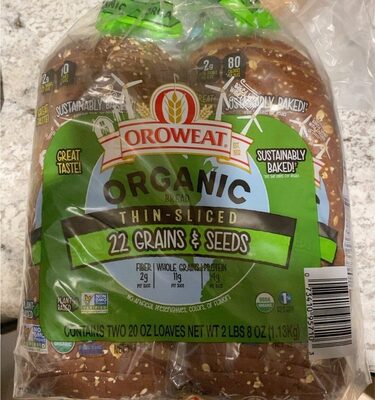
Foods that contain Black Chia Seeds
Compare products →





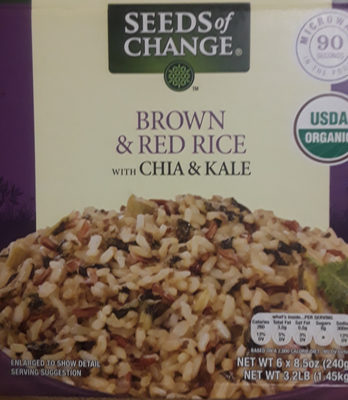
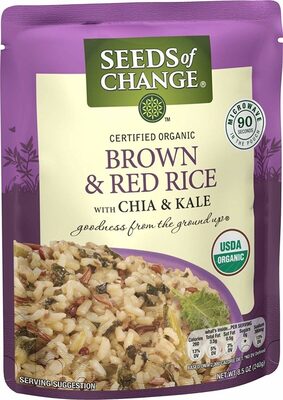
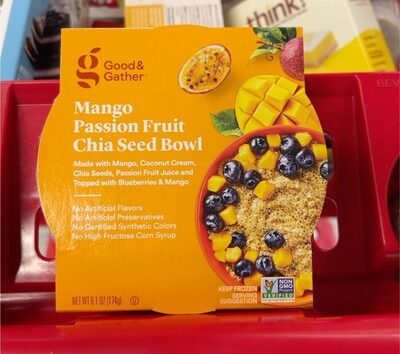

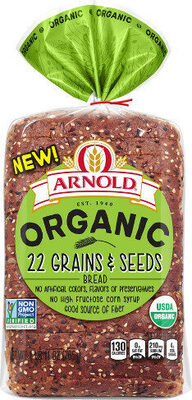
Learn more
Auto-generated content. This description was generated automatically and is pending editorial review. Inaccuracies are possible. Found a mistake? Contact us.