Diced Almonds
What is Diced Almonds?
Diced almonds are pieces of almonds, which are tree nuts that grow on the almond tree (Prunus dulcis). They are typically produced by harvesting the nuts, drying them, and then mechanically chopping or slicing them into smaller pieces.
Is Diced Almonds vegan?
Diced Almonds is not animal-derived. Products that contain it can still include other animal-derived ingredients, so check the full ingredient list.
Is Diced Almonds gluten-free?
They do not contain gluten.
Is Diced Almonds a major allergen?
Almonds are one of the 9 FDA major allergens, classified as a tree nut.
What is Diced Almonds used for?
Diced almonds are added to foods for their texture, flavor, and nutritional content.
Is Diced Almonds safe?
Almonds are a source of healthy fats, fiber, vitamins, and minerals.
Why it's used
Diced almonds are added to foods for their texture, flavor, and nutritional content. They are often used as a topping or ingredient in baked goods, cereals, snack bars, and desserts to provide a crunchy element and a nutty taste.
Health notes
Almonds are a source of healthy fats, fiber, vitamins, and minerals. The FDA recognizes almonds as Generally Recognized As Safe (GRAS). International bodies like the WHO/FAO's JECFA have evaluated almonds and their components. Research suggests that regular consumption of almonds may be associated with improved heart health markers, though more studies are needed to confirm these effects.
Allergen info
Almonds are one of the 9 FDA major allergens, classified as a tree nut. They do not contain gluten.
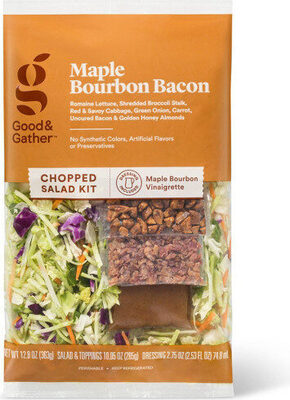
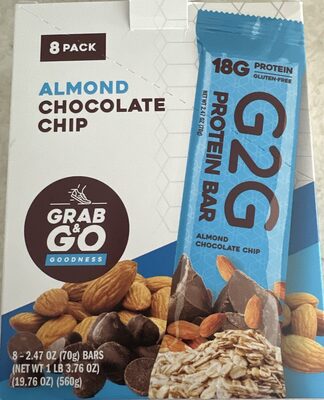
Foods that contain Diced Almonds
Compare products →
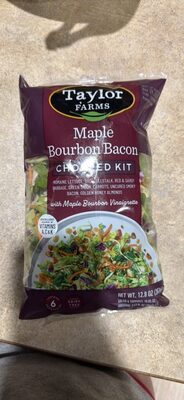


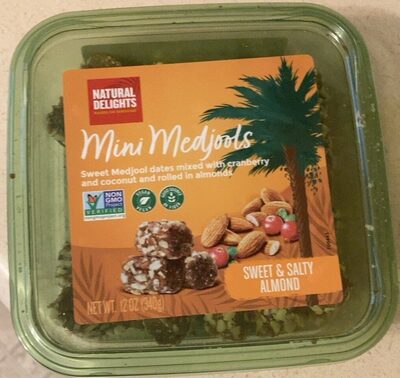
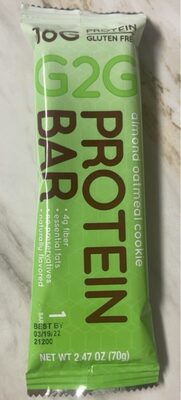
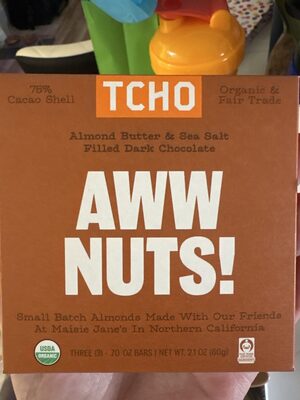


Learn more
Auto-generated content. This description was generated automatically and is pending editorial review. Inaccuracies are possible. Found a mistake? Contact us.