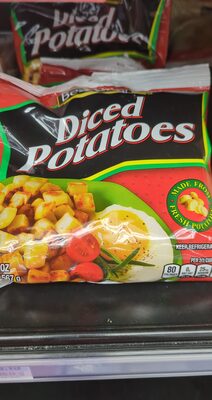
Diced Potatoes
What is Diced Potatoes?
Diced potatoes are pieces of potato cut into small cubes. Potatoes are starchy root vegetables grown underground. They are typically washed, peeled, and then cut into uniform sizes for use in food products.
Is Diced Potatoes vegan?
Diced Potatoes is not animal-derived. Products that contain it can still include other animal-derived ingredients, so check the full ingredient list.
Is Diced Potatoes gluten-free?
They do not contain gluten.
Is Diced Potatoes a major allergen?
Potatoes are not one of the nine major allergens designated by the FDA.
What is Diced Potatoes used for?
Diced potatoes are used as a primary ingredient or component in many savory dishes.
Is Diced Potatoes safe?
Potatoes are a source of carbohydrates, potassium, and vitamin C.
Why it's used
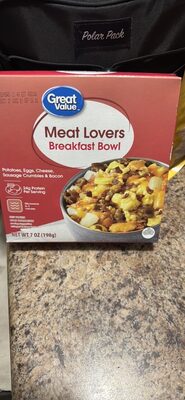
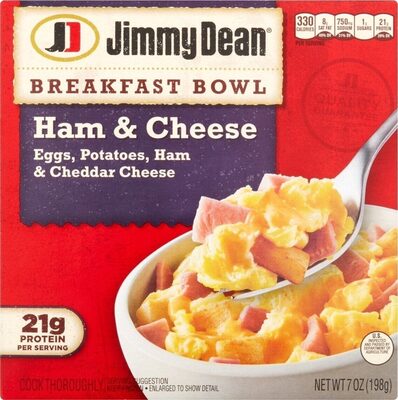
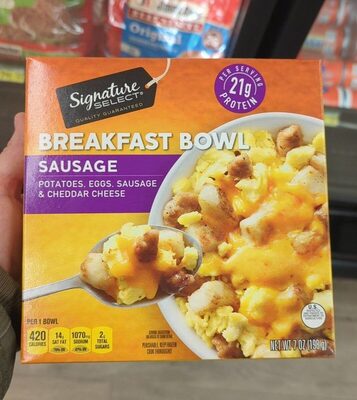
Diced potatoes are used as a primary ingredient or component in many savory dishes. They provide texture and substance, and are often found in frozen meals, soups, stews, breakfast dishes like hash, and side dishes.
Health notes
Potatoes are a source of carbohydrates, potassium, and vitamin C. The U.S. Food and Drug Administration (FDA) generally recognizes potatoes as safe (GRAS) when used as food. Regulatory bodies like the Joint FAO/WHO Expert Committee on Food Additives (JECFA) and the European Food Safety Authority (EFSA) have evaluated potatoes and related compounds. At typical consumption levels, they are considered a staple food with no significant health concerns.
Allergen info
Potatoes are not one of the nine major allergens designated by the FDA. They do not contain gluten.
Foods that contain Diced Potatoes
Compare products →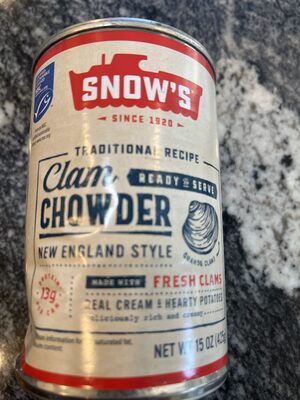
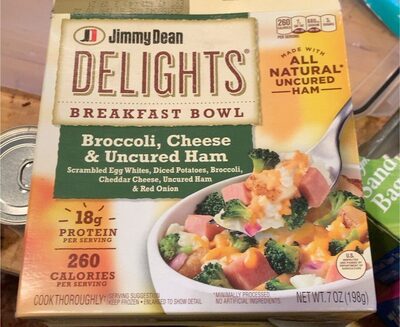
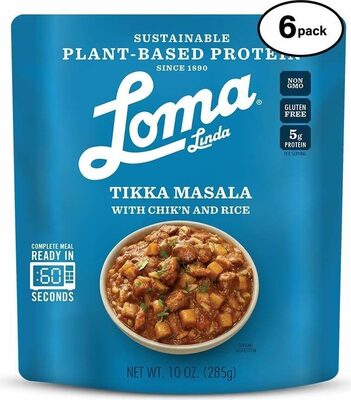
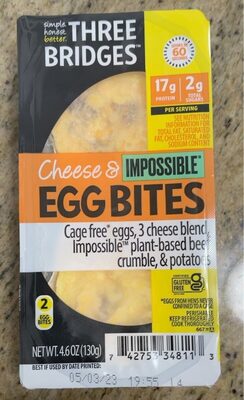
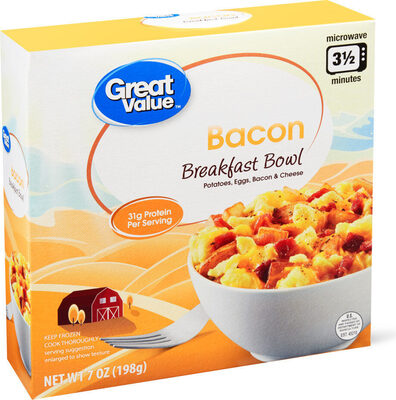
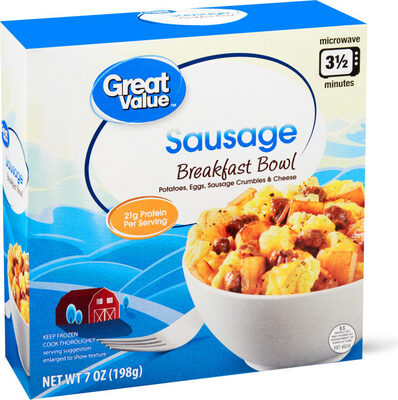
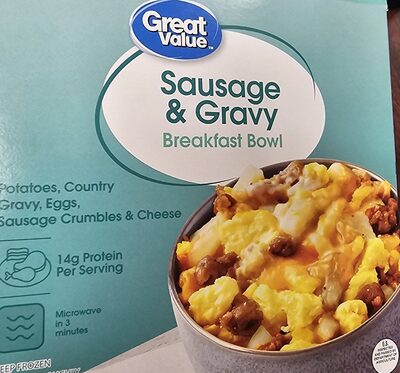
Auto-generated content. This description was generated automatically and is pending editorial review. Inaccuracies are possible. Found a mistake? Contact us.