Dosidicus Gigas
What is Dosidicus Gigas?
Dosidicus Gigas is a species of large squid, also known as the Humboldt squid. It is found in the eastern Pacific Ocean. The squid is typically caught, cleaned, and then processed for consumption, often canned or frozen.
Is Dosidicus Gigas vegan?
No. Dosidicus Gigas is animal-derived, so it is not vegan.
Is Dosidicus Gigas a major allergen?
Dosidicus Gigas is a type of shellfish and is therefore considered a major allergen by the FDA.
What is Dosidicus Gigas used for?
Dosidicus Gigas is primarily used as a source of protein in seafood products.
Is Dosidicus Gigas safe?
Dosidicus Gigas is considered a food ingredient and is not subject to specific FDA regulations as an additive.
Why it's used
Dosidicus Gigas is primarily used as a source of protein in seafood products. It is often processed to mimic the texture and taste of other, more expensive seafood like calamari or octopus. It is commonly found in canned seafood, frozen fish products, and prepared seafood dishes.
Health notes
Dosidicus Gigas is considered a food ingredient and is not subject to specific FDA regulations as an additive. It is a source of protein and other nutrients found in seafood. JECFA has evaluated some squid species, but no specific evaluation for Dosidicus Gigas is widely cited. As with any seafood, potential concerns include heavy metal accumulation, depending on the environment where it was harvested.
Allergen info
Dosidicus Gigas is a type of shellfish and is therefore considered a major allergen by the FDA. Individuals with shellfish allergies should avoid this ingredient.
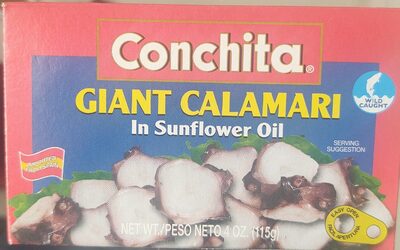
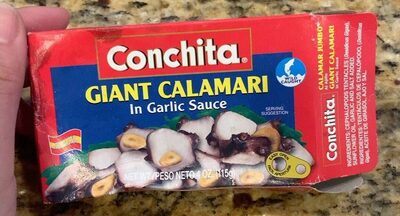
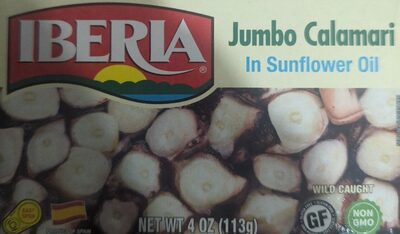
Foods that contain Dosidicus Gigas
Compare products →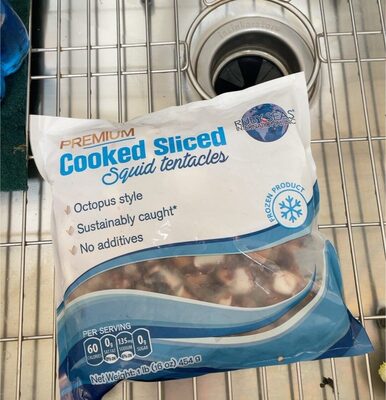

Learn more
Auto-generated content. This description was generated automatically and is pending editorial review. Inaccuracies are possible. Found a mistake? Contact us.