Dressing
What is Dressing?
Dressing is a general term for a sauce or mixture used to add flavor or texture to food. It can be made from a wide variety of ingredients, including oils, vinegars, herbs, spices, and sweeteners. Dressings are often prepared commercially or at home to accompany salads, meats, or vegetables.
Is Dressing a major allergen?
Dressing is not a major allergen itself, but it can contain major allergens depending on its ingredients.
What is Dressing used for?
Manufacturers use dressings to enhance the taste and moisture of foods like salads, sandwiches, and prepared meals.
Is Dressing safe?
Dressing is not a single ingredient but a category of food products, so its health implications depend on the specific ingredients used.
Why it's used
Manufacturers use dressings to enhance the taste and moisture of foods like salads, sandwiches, and prepared meals. They can act as a binder, a flavor enhancer, or a source of fat and acidity. Common food types include deli salads, pickles, relishes, and ready-made meals.
Health notes
Dressing is not a single ingredient but a category of food products, so its health implications depend on the specific ingredients used. Many common dressing ingredients, such as oils, vinegars, and spices, are generally recognized as safe (GRAS) by the FDA. Regulatory bodies like JECFA and EFSA have evaluated many individual dressing components. Health effects are tied to the nutritional profile of the specific dressing, such as its fat, sugar, and sodium content.
Allergen info
Dressing is not a major allergen itself, but it can contain major allergens depending on its ingredients. For example, some dressings may contain egg (as an emulsifier), soy (oil or lecithin), or wheat (as a thickener). Always check the ingredient list for specific allergen information.
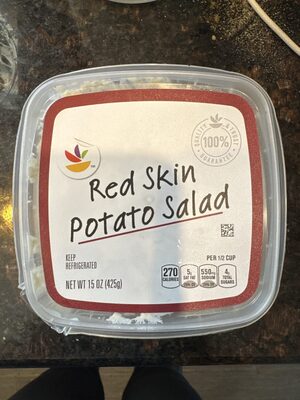
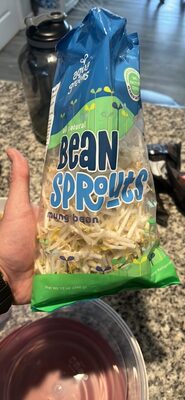
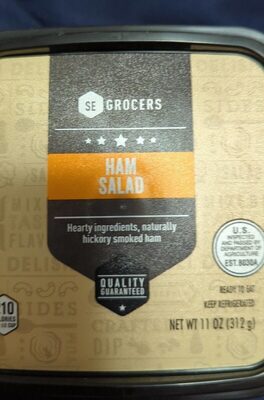
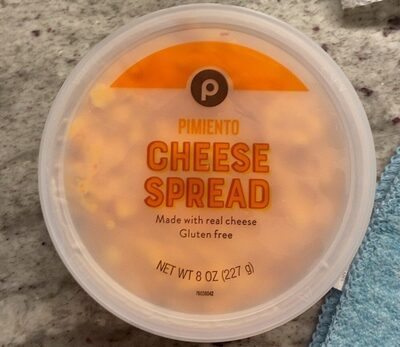
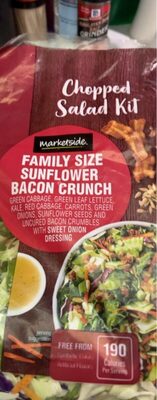
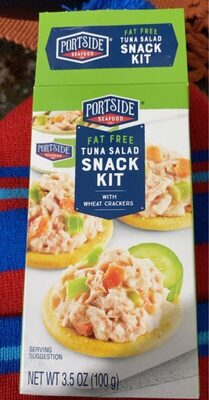
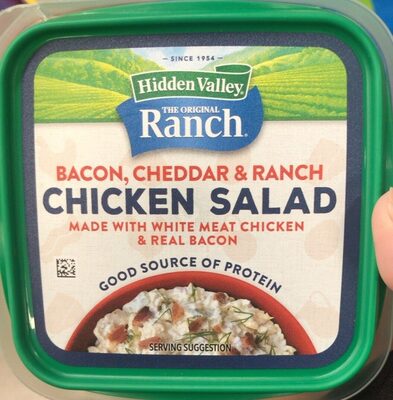
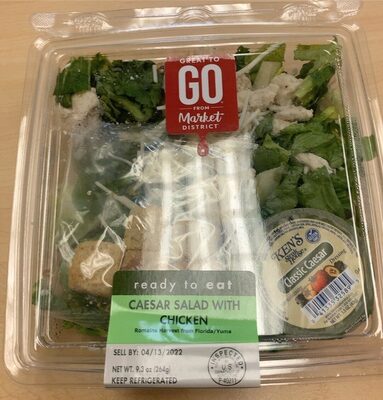
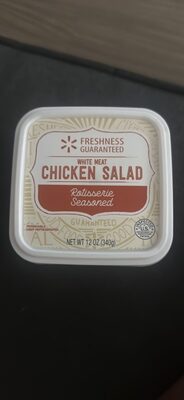
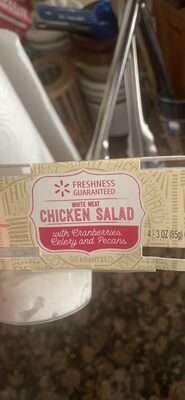
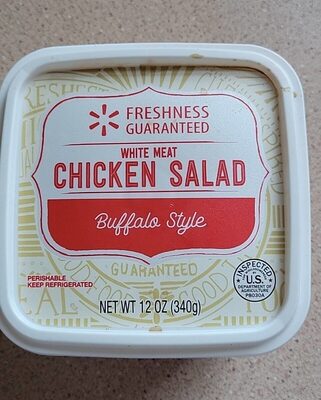
Foods that contain Dressing
Compare products →



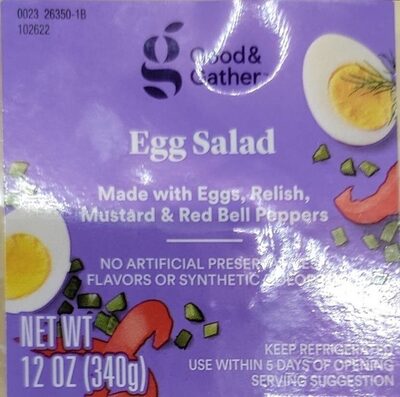

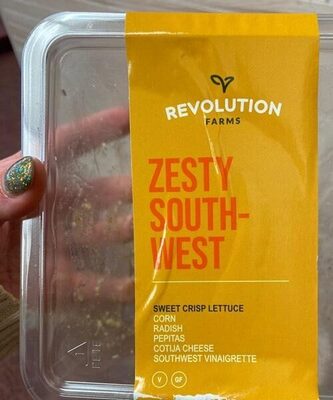
Auto-generated content. This description was generated automatically and is pending editorial review. Inaccuracies are possible. Found a mistake? Contact us.