Dried Kale
What is Dried Kale?
Kale is a leafy green vegetable in the cabbage family. It is typically grown in temperate climates and can be eaten fresh, cooked, or dried. Drying kale concentrates its flavor and nutrients.
Is Dried Kale vegan?
Dried Kale is not animal-derived. Products that contain it can still include other animal-derived ingredients, so check the full ingredient list.
Is Dried Kale gluten-free?
It does not contain gluten.
Is Dried Kale a major allergen?
Kale is not one of the nine major allergens recognized by the FDA.
What is Dried Kale used for?
Dried kale is used to add a vegetable component and a slightly bitter flavor to foods.
Is Dried Kale safe?
Kale is a source of vitamins A, C, and K, as well as minerals like calcium and potassium.
Why it's used
Dried kale is used to add a vegetable component and a slightly bitter flavor to foods. It is often found in powdered form in smoothies, protein powders, and baked goods. It can also be used as a base for seasonings or as a nutrient-rich addition to soups and stews.
Health notes
Kale is a source of vitamins A, C, and K, as well as minerals like calcium and potassium. It also contains antioxidants and fiber. The FDA considers kale to be Generally Recognized As Safe (GRAS) when used as a food ingredient. JECFA and EFSA have evaluated kale and its components. Evidence suggests that consuming kale as part of a balanced diet may contribute to overall health due to its nutrient profile.
Allergen info
Kale is not one of the nine major allergens recognized by the FDA. It does not contain gluten.
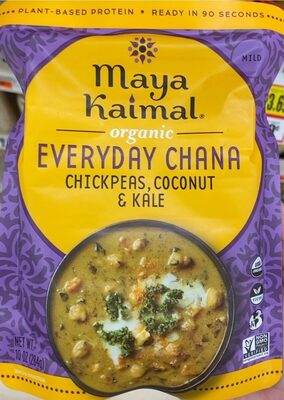
Foods that contain Dried Kale
Compare products →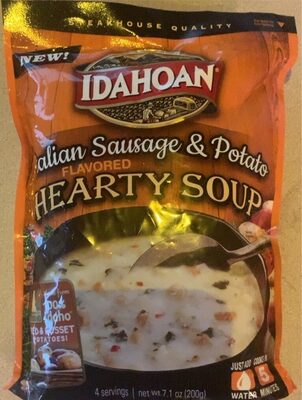
Auto-generated content. This description was generated automatically and is pending editorial review. Inaccuracies are possible. Found a mistake? Contact us.