Dry Active Yeast
What is Dry Active Yeast?
Dry active yeast is a type of baker's yeast (Saccharomyces cerevisiae) that has been dehydrated. This process makes it dormant, allowing it to be stored for longer periods. To activate it, yeast is typically mixed with warm water and a small amount of sugar.
Is Dry Active Yeast vegan?
Dry Active Yeast is not animal-derived. Products that contain it can still include other animal-derived ingredients, so check the full ingredient list.
Is Dry Active Yeast gluten-free?
It does not contain gluten.
Is Dry Active Yeast a major allergen?
Not a major allergen.
What is Dry Active Yeast used for?
Manufacturers use dry active yeast as a leavening agent in baked goods.
Is Dry Active Yeast safe?
Dry active yeast is generally recognized as safe (GRAS) by the FDA.
Why it's used
Manufacturers use dry active yeast as a leavening agent in baked goods. It produces carbon dioxide gas as it consumes sugars, causing dough to rise and become airy. It is commonly found in breads, pizza dough, and other yeasted pastries.
Health notes
Dry active yeast is generally recognized as safe (GRAS) by the FDA. It is a source of B vitamins and minerals. The Joint FAO/WHO Expert Committee on Food Additives (JECFA) has evaluated yeast, and the European Food Safety Authority (EFSA) has also assessed its safety. Consuming yeast in typical food amounts is not associated with adverse health effects.
Allergen info
Not a major allergen. Yeast is a fungus, not derived from any of the 9 FDA major allergens. It does not contain gluten.
Foods that contain Dry Active Yeast
Compare products →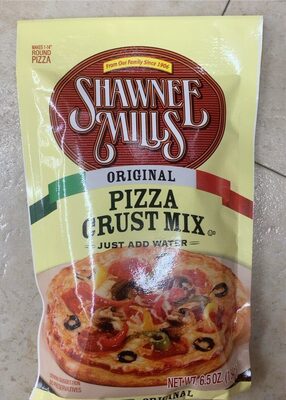
Auto-generated content. This description was generated automatically and is pending editorial review. Inaccuracies are possible. Found a mistake? Contact us.