Dry Roasted Hazelnuts
What is Dry Roasted Hazelnuts?
Hazelnuts are the edible nuts of the hazel tree, native to Europe and Western Asia. Dry roasting involves heating the nuts in an oven without oil, which enhances their flavor and crispness.
Is Dry Roasted Hazelnuts vegan?
Dry Roasted Hazelnuts is not animal-derived. Products that contain it can still include other animal-derived ingredients, so check the full ingredient list.
Is Dry Roasted Hazelnuts a major allergen?
Hazelnuts are classified as tree nuts, one of the 9 major food allergens identified by the FDA.
What is Dry Roasted Hazelnuts used for?
Dry roasted hazelnuts are often used for their rich, nutty flavor and crunchy texture.
Is Dry Roasted Hazelnuts safe?
Hazelnuts are a source of healthy fats, protein, fiber, vitamins, and minerals.
Why it's used
Dry roasted hazelnuts are often used for their rich, nutty flavor and crunchy texture. They are commonly found in snacks, baked goods, confectionery, and as a topping for desserts and ice cream.
Health notes
Hazelnuts are a source of healthy fats, protein, fiber, vitamins, and minerals. The FDA lists hazelnuts as Generally Recognized As Safe (GRAS). International bodies like EFSA have evaluated hazelnuts, recognizing their nutritional value. Evidence suggests that moderate consumption of nuts, including hazelnuts, may be associated with a reduced risk of heart disease as part of a balanced diet.
Allergen info
Hazelnuts are classified as tree nuts, one of the 9 major food allergens identified by the FDA. People with tree nut allergies should avoid them.
Foods that contain Dry Roasted Hazelnuts
Compare products →


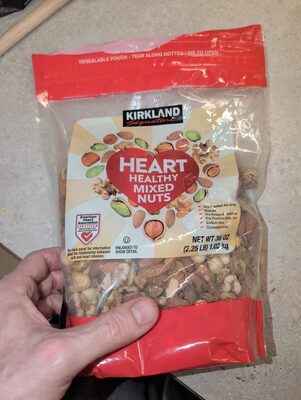
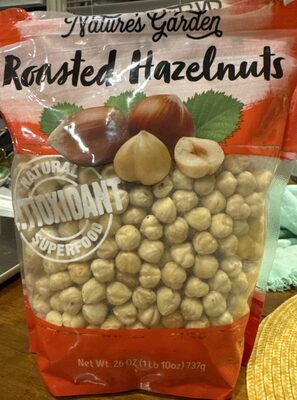







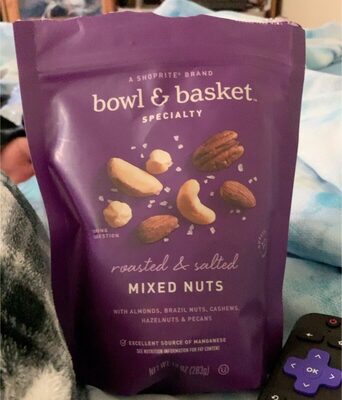




Auto-generated content. This description was generated automatically and is pending editorial review. Inaccuracies are possible. Found a mistake? Contact us.