Dry Vegetable Shortening
Auto-generated content. This description was generated automatically and is pending editorial review. Inaccuracies are possible. Found a mistake? Contact us.
What it is
Dry vegetable shortening is a solid fat made from vegetable oils. The oils are typically hydrogenated, a process that adds hydrogen to make them more solid at room temperature. This makes them stable and easy to work with in baking and cooking.
Why it's used
Manufacturers use dry vegetable shortening as a fat source in baked goods and other processed foods. It helps create a tender texture in pastries, cookies, and cakes. It can also be used to improve mouthfeel and stability in products like sauces and frostings.
Health notes
In the U.S., vegetable shortening is generally recognized as safe (GRAS) by the FDA when used as intended. It is a source of fat and calories. Regulatory bodies like JECFA and EFSA have evaluated fats and oils, but specific evaluations for 'dry vegetable shortening' as a distinct category may vary. Typical consumption of fats should align with general dietary guidelines.
Allergen info
Dry vegetable shortening is not typically derived from major allergens. However, depending on the specific vegetable oil used (e.g., soy oil), it may be a concern for individuals with severe allergies. It does not contain gluten.
Products containing Dry Vegetable Shortening
Compare products →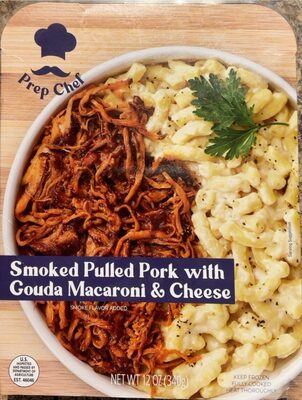 Roth Industries, LLC
Smoked Pulled Pork With Gouda Macaroni & Cheese, Smoked
165kcal
8.8Protein
7.3Fat
15Carbs
Wakefern Food Corporation
White Cheddar Macaroni & Cheese, White Cheddar
High in sodium — 82% DV per serving
High in saturated fat — 85% DV per serving
High in cholesterol — 33% DV per serving
150kcal
6.6Protein
6.4Fat
15.9Carbs
Roth Industries, LLC
Smoked Pulled Pork With Gouda Macaroni & Cheese, Smoked
High in sodium — 67% DV per serving
High in saturated fat — 50% DV per serving
High in cholesterol — 35% DV per serving
165kcal
8.8Protein
7.3Fat
15Carbs
Roth Industries, LLC
Smoked Pulled Pork With Gouda Macaroni & Cheese, Smoked
165kcal
8.8Protein
7.3Fat
15Carbs
Wakefern Food Corporation
White Cheddar Macaroni & Cheese, White Cheddar
High in sodium — 82% DV per serving
High in saturated fat — 85% DV per serving
High in cholesterol — 33% DV per serving
150kcal
6.6Protein
6.4Fat
15.9Carbs
Roth Industries, LLC
Smoked Pulled Pork With Gouda Macaroni & Cheese, Smoked
High in sodium — 67% DV per serving
High in saturated fat — 50% DV per serving
High in cholesterol — 35% DV per serving
165kcal
8.8Protein
7.3Fat
15Carbs