Ebi Shrimp
What is Ebi Shrimp?
Ebi shrimp refers to a type of shrimp, typically a species of caridean shrimp, that is commonly used in Japanese cuisine, especially sushi. It is often cooked, peeled, and butterflied before being served, sometimes with a glaze or sauce. The term 'ebi' is the Japanese word for shrimp.
Is Ebi Shrimp vegan?
No. Ebi Shrimp is animal-derived, so it is not vegan.
Is Ebi Shrimp a major allergen?
Shrimp is one of the nine major allergens identified by the FDA.
What is Ebi Shrimp used for?
Ebi shrimp is primarily used as a topping or ingredient in sushi and sashimi due to its mild, sweet flavor and appealing texture.
Is Ebi Shrimp safe?
Shrimp is a natural food source and is generally recognized as safe by the FDA when consumed as food.
Why it's used
Ebi shrimp is primarily used as a topping or ingredient in sushi and sashimi due to its mild, sweet flavor and appealing texture. It can also be found in other Japanese dishes like tempura, salads, and noodle bowls. Manufacturers use it to add a distinct seafood flavor and visual appeal to their products.
Health notes
Shrimp is a natural food source and is generally recognized as safe by the FDA when consumed as food. It is a good source of protein, selenium, and vitamin B12. International bodies like JECFA have evaluated shrimp as a food ingredient. While generally safe, shrimp is a common allergen.
Allergen info
Shrimp is one of the nine major allergens identified by the FDA. Individuals with shellfish allergies should avoid consuming shrimp.
Foods that contain Ebi Shrimp
Compare products →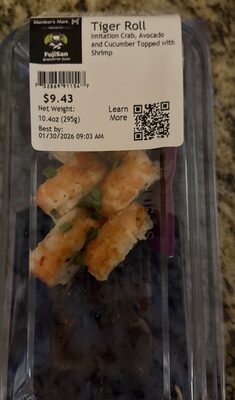
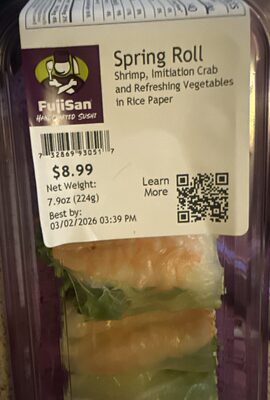
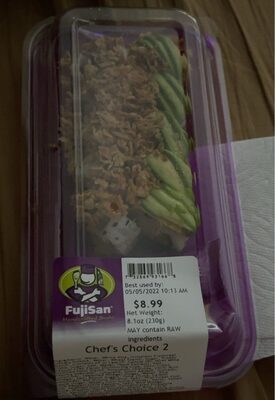
Learn more
Auto-generated content. This description was generated automatically and is pending editorial review. Inaccuracies are possible. Found a mistake? Contact us.