Enriched Bleacher Flour
Auto-generated content. This description was generated automatically and is pending editorial review. Inaccuracies are possible. Found a mistake? Contact us.
What it is
Enriched bleached flour is a finely ground powder made from wheat kernels that have had the bran and germ removed. It undergoes a bleaching process, often using agents like chlorine gas or benzoyl peroxide, to whiten the flour and improve its baking qualities. It is then enriched with specific B vitamins and iron to restore nutrients lost during milling.
Why it's used
Manufacturers use enriched bleached flour primarily for its ability to create light, airy textures in baked goods. It provides structure and consistency, making it a common ingredient in breads, cakes, cookies, and other pastries. It is also found in prepared foods like sandwiches and frozen meals.
Health notes
Enriched bleached flour is a food ingredient regulated by the FDA. The bleaching agents used in its production, such as chlorine gas or benzoyl peroxide, are permitted by the FDA. The enrichment process, which adds back iron and B vitamins like folic acid, niacin, riboflavin, and thiamine, is a public health measure mandated by the FDA to address nutrient deficiencies. While some discussions exist about the nutritional differences between refined and whole grains, the FDA considers enriched bleached flour safe for consumption.
Allergen info
This ingredient is derived from wheat, which is one of the nine major food allergens identified by the FDA. It contains gluten.
Products containing Enriched Bleacher Flour
Compare products →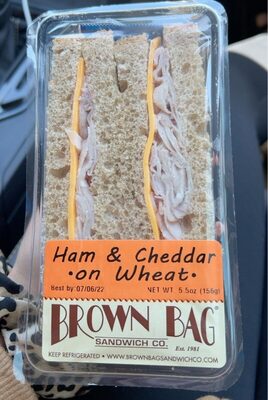 Fresh Grill, LLC
Ham & Cheddar On Wheat, Ham & Cheddar
High in sodium — 46% DV per serving
High in saturated fat — 22% DV per serving
90kcal
13.5Protein
9.6Fat
21.1Carbs
Fresh Grill, LLC
Turkey & Cheddar On Wheat, Turkey & Cheddar
High in sodium — 47% DV per serving
High in saturated fat — 20% DV per serving
83kcal
12.8Protein
9.6Fat
21.1Carbs
Fresh Grill, LLC
Turkey & Cheddar On Wheat Sandwich, Turkey & Cheddar
High in sodium — 47% DV per serving
High in saturated fat — 20% DV per serving
218kcal
12.8Protein
9.6Fat
21.1Carbs
Fresh Grill, LLC
Tuna Salad On Wheat Sandwich, Tuna Salad
High in sodium — 29% DV per serving
281kcal
9.3Protein
15.1Fat
26.6Carbs
Fresh Grill, LLC
Egg Salad On Wheat Sandwich, Egg Salad
High in cholesterol — 83% DV per serving
194kcal
10.8Protein
7.2Fat
23.0Carbs
Fresh Grill, LLC
Ham & Cheddar On Wheat, Ham & Cheddar
High in sodium — 46% DV per serving
High in saturated fat — 22% DV per serving
90kcal
13.5Protein
9.6Fat
21.1Carbs
Fresh Grill, LLC
Turkey & Cheddar On Wheat, Turkey & Cheddar
High in sodium — 47% DV per serving
High in saturated fat — 20% DV per serving
83kcal
12.8Protein
9.6Fat
21.1Carbs
Fresh Grill, LLC
Turkey & Cheddar On Wheat Sandwich, Turkey & Cheddar
High in sodium — 47% DV per serving
High in saturated fat — 20% DV per serving
218kcal
12.8Protein
9.6Fat
21.1Carbs
Fresh Grill, LLC
Tuna Salad On Wheat Sandwich, Tuna Salad
High in sodium — 29% DV per serving
281kcal
9.3Protein
15.1Fat
26.6Carbs
Fresh Grill, LLC
Egg Salad On Wheat Sandwich, Egg Salad
High in cholesterol — 83% DV per serving
194kcal
10.8Protein
7.2Fat
23.0Carbs