Enriched Whole Wheat Flour
Auto-generated content. This description was generated automatically and is pending editorial review. Inaccuracies are possible. Found a mistake? Contact us.
What it is
Enriched whole wheat flour is a type of flour made from grinding the entire wheat kernel, including the bran, germ, and endosperm. The term 'enriched' means that certain nutrients lost during processing, such as iron and B vitamins (folic acid, riboflavin, niacin, thiamine), have been added back.
Why it's used
Manufacturers use enriched whole wheat flour as a primary ingredient in many baked goods and processed foods. It provides structure, texture, and a source of dietary fiber and other nutrients. It is commonly found in breads, cakes, crackers, and other grain-based products.
Health notes
Whole wheat flour is a source of dietary fiber, which is important for digestive health. The enrichment process helps restore essential vitamins and minerals, addressing potential nutrient deficiencies. The FDA sets standards for the enrichment of flour, specifying which nutrients must be added and in what amounts.
Allergen info
This ingredient is derived from wheat, which is one of the nine major food allergens identified by the FDA. It contains gluten.
Products containing Enriched Whole Wheat Flour
Compare products →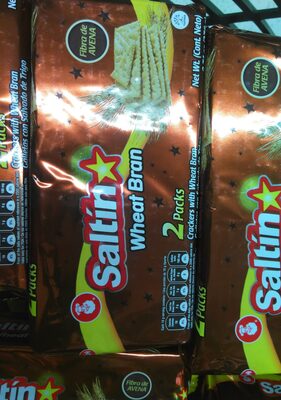 Industrias Alimenticias Noel
Integral Crackers
452kcal
9.7Protein
16.1Fat
61.3Carbs
The Father's Table
150ct Triple Chocolate Cookie
190kcal
2Protein
6Fat
28Carbs
Industrias Alimenticias Noel
Integral Crackers
452kcal
9.7Protein
16.1Fat
61.3Carbs
The Father's Table
150ct Triple Chocolate Cookie
190kcal
2Protein
6Fat
28Carbs