Enriched With Niacin
What is Enriched With Niacin?
Niacin, also known as Vitamin B3, is an essential nutrient vital for converting food into energy. It occurs naturally in foods like meat, fish, eggs, and vegetables. In processed foods, it is often added as a synthetic form to boost nutritional value.
Is Enriched With Niacin gluten-free?
It does not contain gluten.
Is Enriched With Niacin a major allergen?
Niacin is not a major allergen and is not derived from any of the nine major allergens.
What is Enriched With Niacin used for?
Niacin is added to foods as a nutrient supplement, particularly in grain products like bread and cereal, to help prevent deficiencies.
Is Enriched With Niacin safe?
Niacin is recognized as safe and effective by the FDA when used as a nutrient.
Why it's used
Niacin is added to foods as a nutrient supplement, particularly in grain products like bread and cereal, to help prevent deficiencies. It helps the body's systems function properly. It is commonly found in enriched pasta, cereals, and baked goods.
Health notes
Niacin is recognized as safe and effective by the FDA when used as a nutrient. The FDA considers it a vital nutrient for human health. International bodies like JECFA have evaluated niacin and established guidelines for its use. At typical dietary levels, niacin is safe and beneficial.
Allergen info
Niacin is not a major allergen and is not derived from any of the nine major allergens. It does not contain gluten.
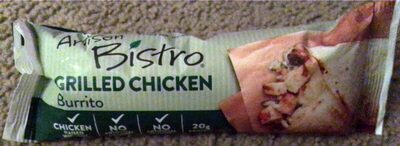
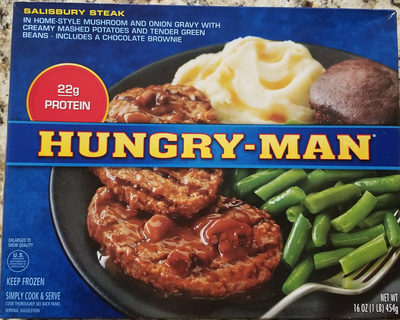
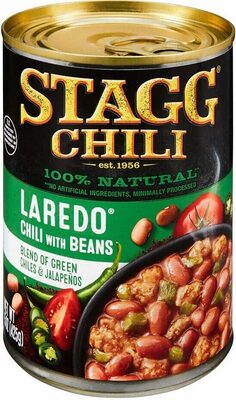
Foods that contain Enriched With Niacin
Compare products →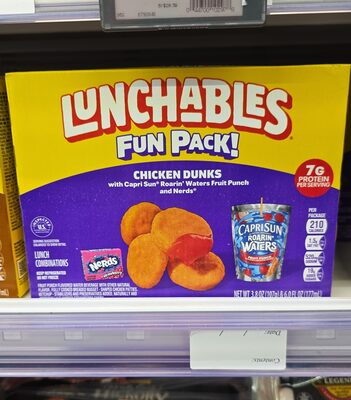
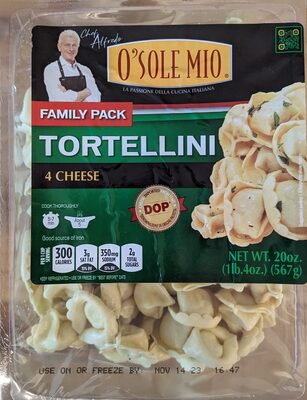
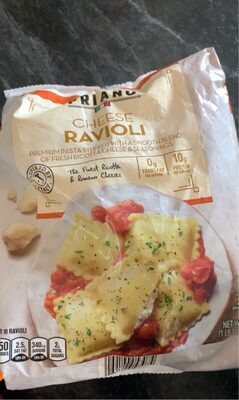
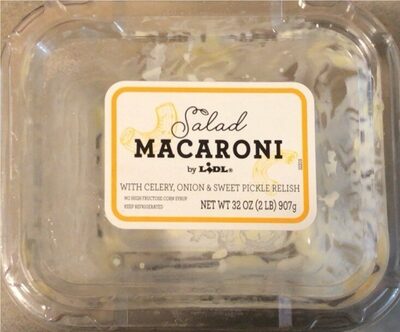 LIDL
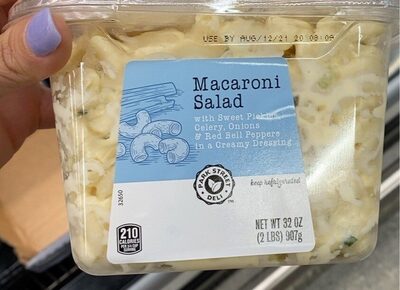
Classic Macaroni Salad
High in sodium — 33% DV per serving
200kcal
3.6Protein
12.9Fat
18.6Carbs
Learn more
Auto-generated content. This description was generated automatically and is pending editorial review. Inaccuracies are possible. Found a mistake? Contact us.