Enzimes
What is Enzimes?
Enzymes are proteins that help speed up chemical reactions in living things. In food production, they are often derived from microorganisms like yeast or bacteria, or from plants and animals. They are used to modify food components like starches, proteins, and fats.
Is Enzimes gluten-free?
Gluten is not an allergen in itself but a protein found in wheat, barley, and rye.
Is Enzimes a major allergen?
Enzymes themselves are not typically major allergens.
What is Enzimes used for?
Manufacturers use enzymes for various purposes, such as improving dough texture in baked goods, clarifying juices, or tenderizing meat.
Is Enzimes safe?
Enzymes used in food processing are generally regarded as safe (GRAS) by the FDA.
Why it's used
Manufacturers use enzymes for various purposes, such as improving dough texture in baked goods, clarifying juices, or tenderizing meat. They can act as processing aids to achieve desired textures, flavors, or shelf life. Enzymes are commonly found in baked goods, dairy products, and processed fruits and vegetables.
Health notes
Enzymes used in food processing are generally regarded as safe (GRAS) by the FDA. They are typically broken down during digestion and do not pose health risks at the levels found in food. International bodies like JECFA have evaluated enzymes and generally consider them safe for use. There are no widespread controversies regarding the health effects of food-processing enzymes.
Allergen info
Enzymes themselves are not typically major allergens. However, if an enzyme is derived from a source that is a major allergen (like wheat or soy), there is a potential for cross-contamination. Gluten is not an allergen in itself but a protein found in wheat, barley, and rye.
Foods that contain Enzimes
Compare products →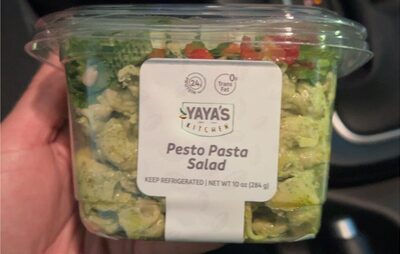

Auto-generated content. This description was generated automatically and is pending editorial review. Inaccuracies are possible. Found a mistake? Contact us.