Enzymes Annatto
What is Enzymes Annatto?
Annatto is a natural food coloring derived from the seeds of the achiote tree (Bixa orellana), native to tropical regions of the Americas. The seeds are ground and processed to extract the carotenoid pigments, primarily bixin and norbixin, which give annatto its characteristic yellow-orange to red color.
Is Enzymes Annatto vegan?
Enzymes Annatto is not animal-derived. Products that contain it can still include other animal-derived ingredients, so check the full ingredient list.
Is Enzymes Annatto gluten-free?
It does not contain gluten.
Is Enzymes Annatto a major allergen?
Annatto is not derived from any of the nine FDA major allergens.
What is Enzymes Annatto used for?
Annatto is primarily used to impart a yellow to deep orange color to foods, often as a replacement for artificial colorings.
Is Enzymes Annatto safe?
Annatto is generally recognized as safe (GRAS) by the FDA for use as a food coloring.
Why it's used
Annatto is primarily used to impart a yellow to deep orange color to foods, often as a replacement for artificial colorings. It is commonly found in dairy products like cheese and butter, as well as in baked goods, snacks, processed meats, and some seafood.
Health notes
Annatto is generally recognized as safe (GRAS) by the FDA for use as a food coloring. It is considered safe at typical consumption levels. The Joint FAO/WHO Expert Committee on Food Additives (JECFA) has evaluated annatto and established specifications for its use. While generally well-tolerated, some individuals may experience allergic reactions, although this is rare.
Allergen info
Annatto is not derived from any of the nine FDA major allergens. It does not contain gluten.
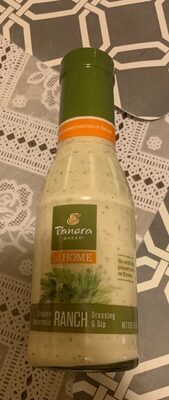
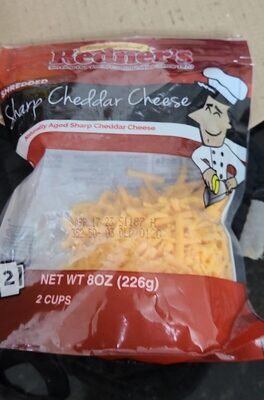
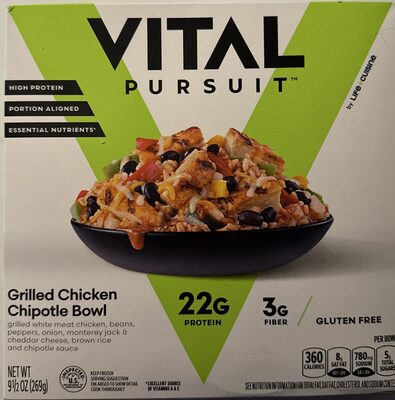
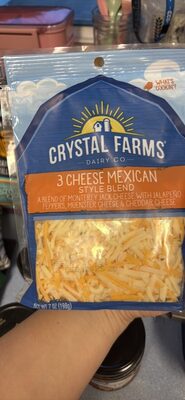
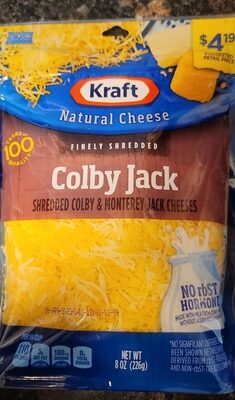
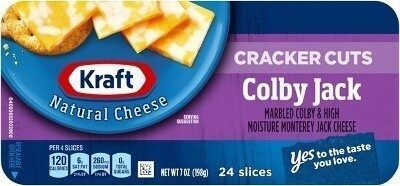
Foods that contain Enzymes Annatto
Compare products →


Learn more
Auto-generated content. This description was generated automatically and is pending editorial review. Inaccuracies are possible. Found a mistake? Contact us.