Enzymes Soy Lecithin
Auto-generated content. This description was generated automatically and is pending editorial review. Inaccuracies are possible. Found a mistake? Contact us.
What it is
Soy lecithin is a fatty substance derived from soybeans. It is produced by extracting the oil from soybeans and then separating the lecithin from the oil. It is commonly used as an emulsifier, meaning it helps to blend ingredients that don't normally mix well, like oil and water.
Why it's used
Manufacturers add soy lecithin to foods to improve texture and shelf life. It acts as an emulsifier, helping to keep ingredients combined, and can also act as a stabilizer. It is frequently found in baked goods, chocolate, and processed foods.
Health notes
Soy lecithin is generally recognized as safe (GRAS) by the FDA. It is a common food ingredient and is consumed in typical amounts without known adverse health effects. International bodies like JECFA and EFSA have evaluated soy lecithin. Evidence does not suggest significant health concerns at typical dietary levels.
Allergen info
Soy lecithin is derived from soy, which is one of the 9 FDA major allergens. It does not contain gluten.
Products containing Enzymes Soy Lecithin
Compare products → Sun Company, Inc. (R&M)
Chicken & Biscuits, Bacon, Egg, Cheese Bagel, Chicken &Biscuits
High in sodium — 61% DV per serving
High in saturated fat — 50% DV per serving
326kcal
16.8Protein
13.6Fat
31.5Carbs
Sun Company, Inc. (R&M)
Chicken & Biscuits, Bacon, Egg, Cheese Bagel, Chicken &Biscuits
High in sodium — 61% DV per serving
High in saturated fat — 50% DV per serving
326kcal
16.8Protein
13.6Fat
31.5Carbs
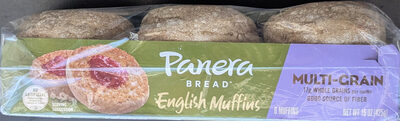 Gold Medal Bakery Inc.
Multi - Grain English Muffins, Multi-Grain
254kcal
11.3Protein
2.8Fat
—Carbs
Alfred Nickles Bakery Inc.
12 Grain Bread, 12 Grain
279kcal
11.6Protein
7.0Fat
44.2Carbs
Gold Medal Bakery Inc.
Multi - Grain English Muffins, Multi-Grain
254kcal
11.3Protein
2.8Fat
—Carbs
Alfred Nickles Bakery Inc.
12 Grain Bread, 12 Grain
279kcal
11.6Protein
7.0Fat
44.2Carbs