Evaporated Skim Milk
What is Evaporated Skim Milk?
Evaporated skim milk is made from cow's milk that has had about 60% of its water removed through evaporation. The remaining milk is then homogenized, canned, and heated to sterilize it.
Is Evaporated Skim Milk vegan?
No. Evaporated Skim Milk is animal-derived, so it is not vegan.
Is Evaporated Skim Milk gluten-free?
It does not contain gluten.
Is Evaporated Skim Milk a major allergen?
Evaporated skim milk is derived from milk, which is one of the 9 major allergens recognized by the FDA.
What is Evaporated Skim Milk used for?
Manufacturers use evaporated skim milk as a source of protein and calcium, and for its creamy texture and rich flavor.
Is Evaporated Skim Milk safe?
Evaporated skim milk is generally recognized as safe (GRAS) by the FDA.
Why it's used
Manufacturers use evaporated skim milk as a source of protein and calcium, and for its creamy texture and rich flavor. It is often found in baked goods like muffins and pastries, as well as in dairy products and some prepared meals.
Health notes
Evaporated skim milk is generally recognized as safe (GRAS) by the FDA. It is a source of protein and calcium, which are important nutrients. The Joint FAO/WHO Expert Committee on Food Additives (JECFA) has evaluated milk and milk products.
Allergen info
Evaporated skim milk is derived from milk, which is one of the 9 major allergens recognized by the FDA. It does not contain gluten.
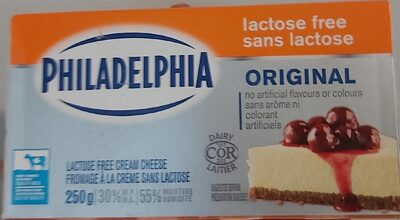
Foods that contain Evaporated Skim Milk
Compare products →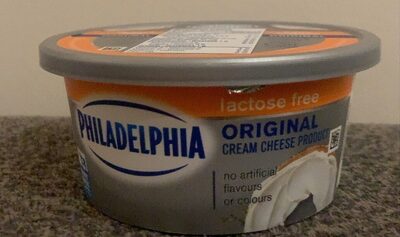
Learn more
Auto-generated content. This description was generated automatically and is pending editorial review. Inaccuracies are possible. Found a mistake? Contact us.