Expeller Pressed Soybean Oil
What is Expeller Pressed Soybean Oil?
Expeller pressed soybean oil is a vegetable oil made from soybeans. It is produced by mechanically pressing soybeans to extract the oil, without the use of chemical solvents. This method is considered a more natural way to obtain the oil.
Is Expeller Pressed Soybean Oil vegan?
Expeller Pressed Soybean Oil is not animal-derived. Products that contain it can still include other animal-derived ingredients, so check the full ingredient list.
Is Expeller Pressed Soybean Oil a major allergen?
Soybean oil is derived from soybeans, which are one of the nine major allergens identified by the FDA.
What is Expeller Pressed Soybean Oil used for?
Manufacturers use expeller pressed soybean oil as a cooking oil and as an ingredient in many processed foods.
Is Expeller Pressed Soybean Oil safe?
Expeller pressed soybean oil is generally recognized as safe (GRAS) by the FDA for use in food.
Why it's used
Manufacturers use expeller pressed soybean oil as a cooking oil and as an ingredient in many processed foods. Its neutral flavor and smooth texture make it suitable for baked goods, dressings, sauces, and fried products. It adds richness and helps to carry flavors in food.
Health notes
Expeller pressed soybean oil is generally recognized as safe (GRAS) by the FDA for use in food. It is a source of polyunsaturated and monounsaturated fats, which are considered healthy fats when consumed in moderation as part of a balanced diet. The Joint FAO/WHO Expert Committee on Food Additives (JECFA) has evaluated soybean oil, and EFSA has also assessed its safety. Evidence does not suggest adverse health effects from typical dietary intake.
Allergen info
Soybean oil is derived from soybeans, which are one of the nine major allergens identified by the FDA. While highly refined soybean oil often has the allergenic protein removed, it is still considered a soy product.
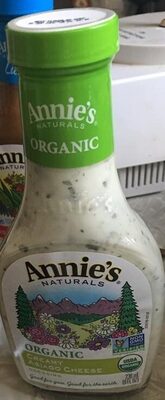
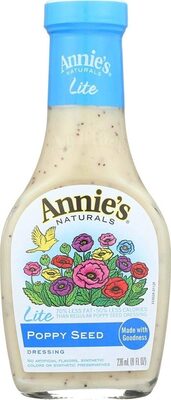
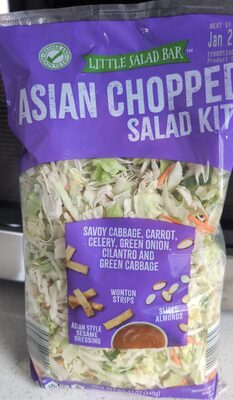
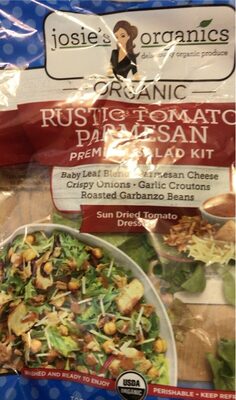
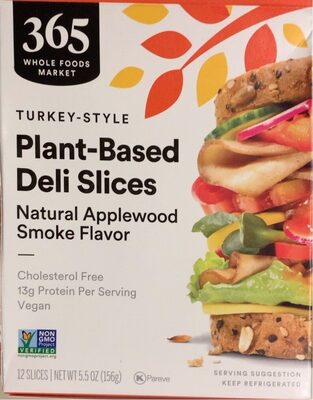
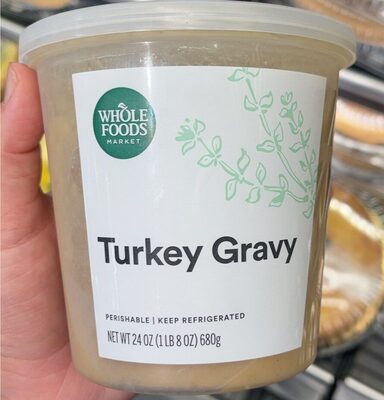
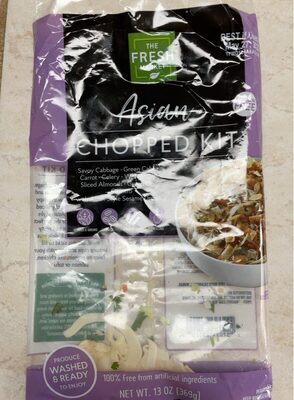
Foods that contain Expeller Pressed Soybean Oil
Compare products →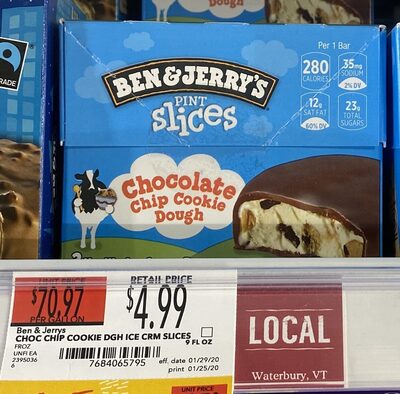
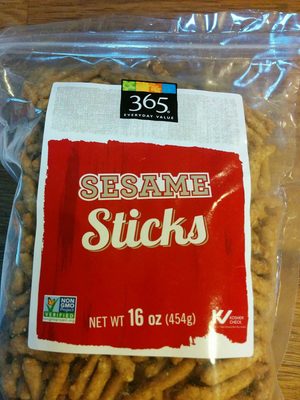

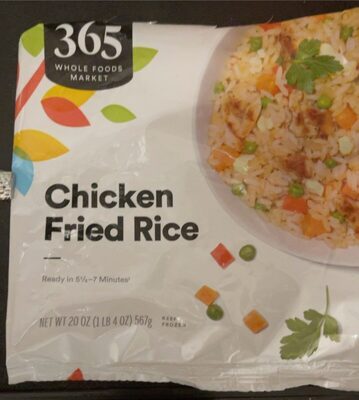
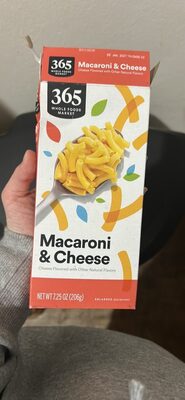
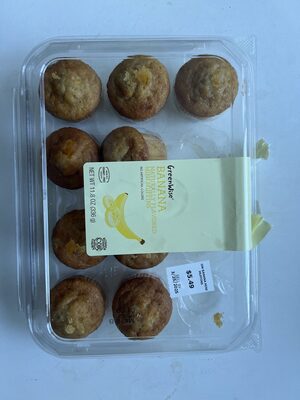
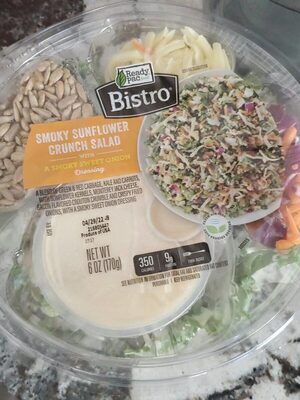
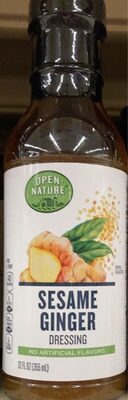
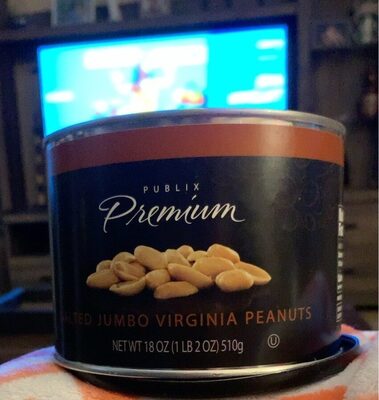
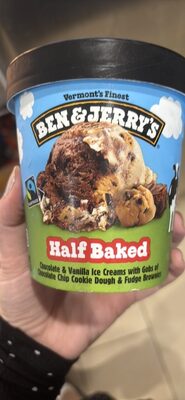
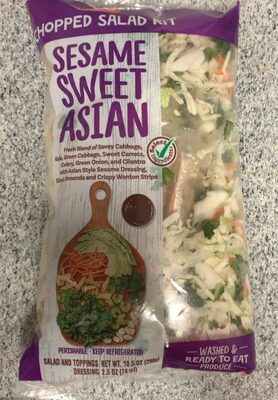
Learn more
Auto-generated content. This description was generated automatically and is pending editorial review. Inaccuracies are possible. Found a mistake? Contact us.