Extra Virgin Oil
Auto-generated content. This description was generated automatically and is pending editorial review. Inaccuracies are possible. Found a mistake? Contact us.
What it is
Extra virgin olive oil is the highest grade of olive oil, made from the fruit of the olive tree. It is produced by pressing olives without the use of heat or chemicals, preserving their natural flavor and nutrients. It has a distinct fruity taste and aroma.
Why it's used
Manufacturers use extra virgin olive oil primarily as a flavorful fat or oil in food products. It is often found in salad dressings, marinades, pasta sauces, and as a finishing oil for dishes. Its rich flavor also makes it a popular choice for cooking and baking.
Health notes
Extra virgin olive oil is generally recognized as safe (GRAS) by the FDA for use in food. It is a source of monounsaturated fats and antioxidants, which are associated with potential heart health benefits in dietary patterns. JECFA has evaluated olive oil and established specifications for its quality and purity. Evidence suggests that regular consumption as part of a balanced diet may contribute to overall well-being.
Allergen info
Extra virgin olive oil is not derived from any of the nine FDA major allergens. It does not contain gluten.
Products containing Extra Virgin Oil
Compare products →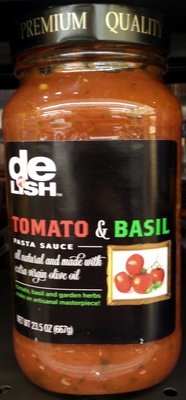 Walgreens Co.
Delish, Tomato & Basil Pasta Sauce, Tomato,Basil, Tomato,Basil
41kcal
1.6Protein
0.8Fat
8.1Carbs
Edward F Cocco Enterprises
Spaghetti Sauce, Basil & Garlic
High in sodium — 30% DV per serving
100kcal
2.5Protein
5.8Fat
12.5Carbs
4 Him Food Group LLC
Premium Puffed Corn, Sea Salt Butter
571kcal
3.6Protein
39.3Fat
50Carbs
Karen's Culinary Company
Gourmet Mixed Olives
214kcal
0Protein
21.4Fat
7.1Carbs
Taylor Fresh Foods, Inc.
3 Cheese Macaroni
High in saturated fat — 35% DV per serving
207kcal
8.6Protein
9.3Fat
22.9Carbs
Aqualink Nevada, LLC
Valicenti Pasta Farm, Red Gravy
High in sodium — 20% DV per serving
65kcal
1.2Protein
2.9Fat
7.7Carbs
Green Chemical Products Inc.
Bulgur Quinoa With Vedetables
179kcal
5Protein
5.7Fat
28.6Carbs
Pietro Coricelli Spa
Extra Virgin Olive Oil
800kcal
0Protein
93.3Fat
0Carbs
Walgreens Co.
Delish, Tomato & Basil Pasta Sauce, Tomato,Basil, Tomato,Basil
41kcal
1.6Protein
0.8Fat
8.1Carbs
Edward F Cocco Enterprises
Spaghetti Sauce, Basil & Garlic
High in sodium — 30% DV per serving
100kcal
2.5Protein
5.8Fat
12.5Carbs
4 Him Food Group LLC
Premium Puffed Corn, Sea Salt Butter
571kcal
3.6Protein
39.3Fat
50Carbs
Karen's Culinary Company
Gourmet Mixed Olives
214kcal
0Protein
21.4Fat
7.1Carbs
Taylor Fresh Foods, Inc.
3 Cheese Macaroni
High in saturated fat — 35% DV per serving
207kcal
8.6Protein
9.3Fat
22.9Carbs
Aqualink Nevada, LLC
Valicenti Pasta Farm, Red Gravy
High in sodium — 20% DV per serving
65kcal
1.2Protein
2.9Fat
7.7Carbs
Green Chemical Products Inc.
Bulgur Quinoa With Vedetables
179kcal
5Protein
5.7Fat
28.6Carbs
Pietro Coricelli Spa
Extra Virgin Olive Oil
800kcal
0Protein
93.3Fat
0Carbs