Firming
What is Firming?
Firming agents are substances that help foods maintain their firm texture. They are often minerals or salts, such as calcium chloride or calcium sulfate, which can interact with natural compounds in fruits and vegetables to create a firmer structure.
Is Firming vegan?
Firming is not animal-derived. Products that contain it can still include other animal-derived ingredients, so check the full ingredient list.
Is Firming a major allergen?
Not a major allergen.
What is Firming used for?
Manufacturers use firming agents to prevent foods like canned fruits and vegetables, pickles, and jams from becoming soft or mushy during processing and storage.
Is Firming safe?
Firming agents like calcium chloride and calcium sulfate are generally recognized as safe (GRAS) by the FDA when used as intended.
Why it's used
Manufacturers use firming agents to prevent foods like canned fruits and vegetables, pickles, and jams from becoming soft or mushy during processing and storage. They help maintain the desired texture and appearance of these products.
Health notes
Firming agents like calcium chloride and calcium sulfate are generally recognized as safe (GRAS) by the FDA when used as intended. These minerals are naturally present in the body and in many foods. International bodies like JECFA have evaluated these substances. Evidence does not suggest adverse health effects from typical dietary intake.
Allergen info
Not a major allergen. Firming agents are typically mineral-based and do not contain major allergens.
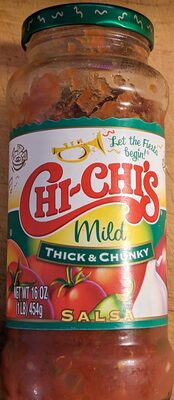
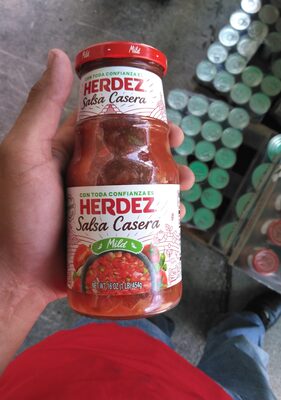
Foods that contain Firming
Compare products →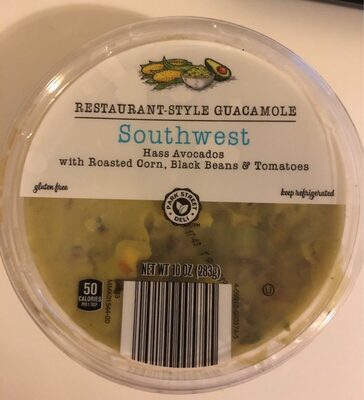
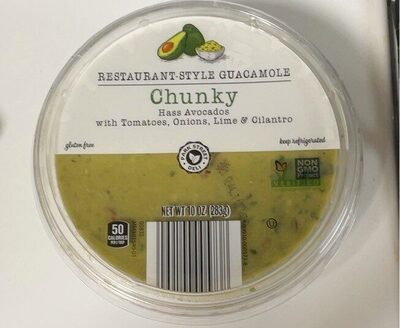
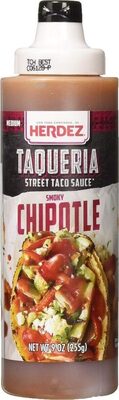
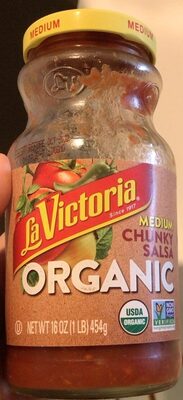
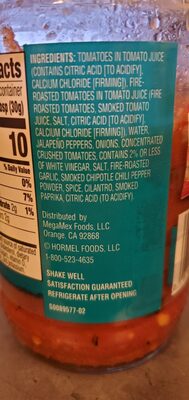
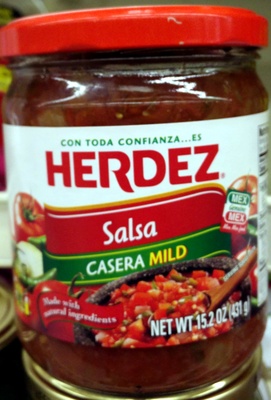
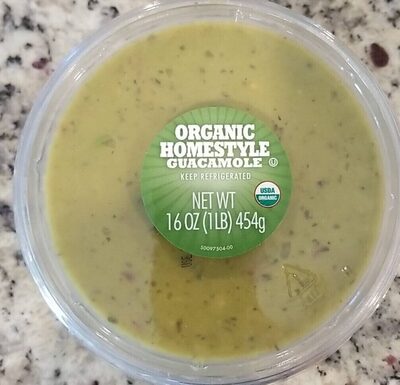
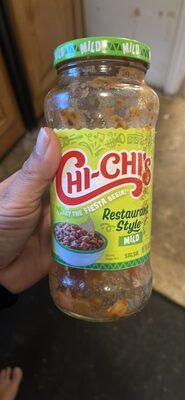




Auto-generated content. This description was generated automatically and is pending editorial review. Inaccuracies are possible. Found a mistake? Contact us.