Frosting
Auto-generated content. This description was generated automatically and is pending editorial review. Inaccuracies are possible. Found a mistake? Contact us.
What it is
Frosting, also known as icing, is a sweet, often creamy topping or coating used to decorate and enhance the flavor of baked goods. It is typically made from a combination of powdered sugar, fat (such as butter or shortening), liquid (like milk or water), and flavorings.
Why it's used
Manufacturers add frosting primarily for decoration, to provide a smooth or textured finish, and to contribute sweetness and flavor to desserts. It is most commonly found on cakes, cupcakes, cookies, and other pastries.
Health notes
As a prepared food, frosting is not subject to FDA approval as a single additive, but its individual components are regulated. Frosting is typically high in added sugars and often contains saturated fats. The 2025-2030 Dietary Guidelines for Americans recommend no amount of added sugars, and at most 10 grams of added sugars per meal, and suggest limiting saturated fat to less than 10% of daily calories. Some frostings may contain artificial colors, which the FDA plans to phase out for petroleum-based synthetic dyes (Red 40, Yellow 5, Yellow 6, Blue 1, Blue 2, Green 3) starting in April 2025, and Red 3 was revoked for food use in January 2025.
Allergen info
Frosting frequently contains milk (dairy) and soy, both of which are major allergens. Depending on the recipe, it may also contain wheat, tree nuts, or peanuts.
Products containing Frosting
Compare products →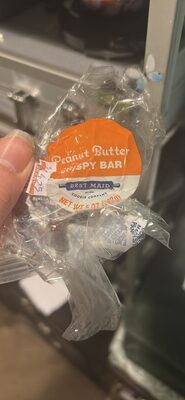 Minnesota Best Maid Cookie Co.
Peanut Butter Crispy Bar, Peanut Butter
High in saturated fat — 20% DV per serving
437kcal
8.4Protein
18.3Fat
63.4Carbs
Minnesota Best Maid Cookie Co.
Peanut Butter Crispy Bar, Peanut Butter
High in saturated fat — 20% DV per serving
437kcal
8.4Protein
18.3Fat
63.4Carbs