Frozen Egg Yolks
Auto-generated content. This description was generated automatically and is pending editorial review. Inaccuracies are possible. Found a mistake? Contact us.
What it is
Frozen egg yolks are the liquid center of eggs that have been separated from the whites and then frozen. They are a source of fat and protein, and contribute to richness and emulsification in food products.
Why it's used
Manufacturers add frozen egg yolks to provide richness, color, and emulsifying properties, helping to bind ingredients like oil and water. They are commonly found in puddings, custards, baked goods such as croissants and muffins, and some yogurt products.
Health notes
Frozen egg yolks are generally recognized as safe (GRAS) by the FDA when used as intended. They are a source of nutrients like choline and vitamin D. The Joint FAO/WHO Expert Committee on Food Additives (JECFA) has evaluated egg products, and EFSA has also assessed egg lysozyme, a component sometimes derived from eggs. Typical consumption of eggs and egg products is not associated with adverse health effects.
Allergen info
Egg is one of the 9 major food allergens recognized by the FDA. Therefore, frozen egg yolks are considered a major allergen.
Products containing Frozen Egg Yolks
Compare products →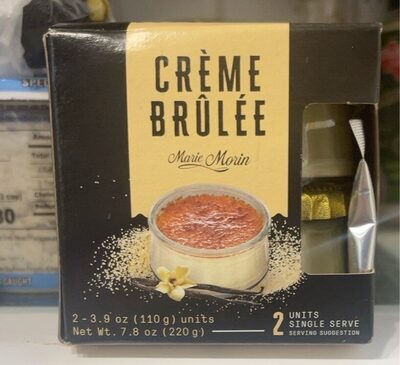 Global 13 Publications, Inc
Creme Brulee, Creme
High in saturated fat — 55% DV per serving
High in added sugars — 26% DV per serving
High in cholesterol — 62% DV per serving
245kcal
3.6Protein
18.2Fat
15.4Carbs
Global 13 Publications, Inc
Creme Brulee, Creme
High in saturated fat — 55% DV per serving
High in added sugars — 26% DV per serving
High in cholesterol — 62% DV per serving
245kcal
3.6Protein
18.2Fat
15.4Carbs
 Global 13 Publications, Inc
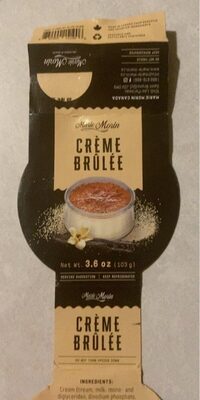
Creme Brulee
High in saturated fat — 50% DV per serving
High in added sugars — 24% DV per serving
High in cholesterol — 58% DV per serving
243kcal
3.9Protein
18.4Fat
15.5Carbs
Global 13 Publications, Inc
Lemon Coconut Parfait, Lemon Coconut
High in saturated fat — 90% DV per serving
High in added sugars — 50% DV per serving
High in cholesterol — 30% DV per serving
297kcal
1.6Protein
21.1Fat
25Carbs
Global 13 Publications, Inc
Single Serve Creme Brulee
High in saturated fat — 65% DV per serving
High in added sugars — 28% DV per serving
High in cholesterol — 78% DV per serving
282kcal
3.9Protein
22.3Fat
18.4Carbs
Global 13 Publications, Inc
Creme Brulee
High in saturated fat — 50% DV per serving
High in added sugars — 24% DV per serving
High in cholesterol — 58% DV per serving
243kcal
3.9Protein
18.4Fat
15.5Carbs
Global 13 Publications, Inc
Lemon Coconut Parfait, Lemon Coconut
High in saturated fat — 90% DV per serving
High in added sugars — 50% DV per serving
High in cholesterol — 30% DV per serving
297kcal
1.6Protein
21.1Fat
25Carbs
Global 13 Publications, Inc
Single Serve Creme Brulee
High in saturated fat — 65% DV per serving
High in added sugars — 28% DV per serving
High in cholesterol — 78% DV per serving
282kcal
3.9Protein
22.3Fat
18.4Carbs
 Petals Around Towne, LLC.
Original Caesar Salad Kit
545kcal
9.1Protein
48.5Fat
24.2Carbs
Target Stores
Tiramisu Cake With Espresso Coffee-Flavored Sponge Cake Layered With Cream Cheese And Mascarpone Mousse Topped With Whipped Cream, Tiramisu
High in saturated fat — 35% DV per serving
High in added sugars — 28% DV per serving
High in cholesterol — 25% DV per serving
312kcal
3.8Protein
18.8Fat
30Carbs
Petals Around Towne, LLC.
Original Caesar Salad Kit
545kcal
9.1Protein
48.5Fat
24.2Carbs
Target Stores
Tiramisu Cake With Espresso Coffee-Flavored Sponge Cake Layered With Cream Cheese And Mascarpone Mousse Topped With Whipped Cream, Tiramisu
High in saturated fat — 35% DV per serving
High in added sugars — 28% DV per serving
High in cholesterol — 25% DV per serving
312kcal
3.8Protein
18.8Fat
30Carbs