Gluten-free Bread Crumbs
What is Gluten-free Bread Crumbs?
Gluten-free bread crumbs are made from bread that does not contain wheat, barley, or rye. These grains are common sources of gluten, a protein that can cause adverse reactions in people with celiac disease or gluten sensitivity. Gluten-free bread is baked using alternative flours like rice, corn, or almond flour, then dried and processed into crumbs.
Is Gluten-free Bread Crumbs gluten-free?
Gluten-free bread crumbs are not derived from wheat, which is one of the 9 FDA major allergens.
What is Gluten-free Bread Crumbs used for?
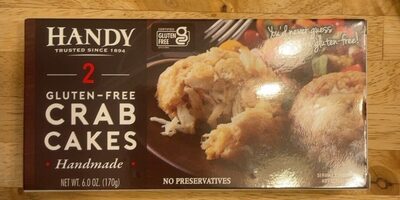
Manufacturers use gluten-free bread crumbs as a binder and coating for foods like meatballs, crab cakes, and other breaded items.
Is Gluten-free Bread Crumbs safe?
Gluten-free bread crumbs are generally recognized as safe (GRAS) by the FDA when used as intended.
Why it's used
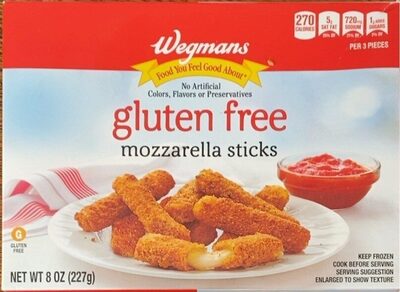
Manufacturers use gluten-free bread crumbs as a binder and coating for foods like meatballs, crab cakes, and other breaded items. They provide a similar texture and function to traditional bread crumbs but are safe for individuals avoiding gluten. They are often found in frozen appetizers, seafood products, and meat dishes.
Health notes
Gluten-free bread crumbs are generally recognized as safe (GRAS) by the FDA when used as intended. They do not have specific health benefits or risks beyond those of their base ingredients. International bodies like JECFA and EFSA have evaluated many food ingredients, but specific evaluations for 'gluten-free bread crumbs' as a distinct ingredient are not typically categorized. The primary health consideration is for individuals with gluten-related disorders.
Allergen info
Gluten-free bread crumbs are not derived from wheat, which is one of the 9 FDA major allergens. However, they may be processed in facilities that also handle wheat or other allergens, so cross-contamination is a possibility depending on the product.
Foods that contain Gluten-free Bread Crumbs
Compare products →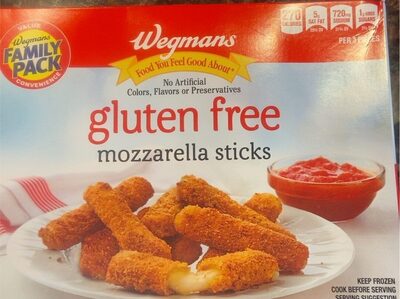
Learn more
Auto-generated content. This description was generated automatically and is pending editorial review. Inaccuracies are possible. Found a mistake? Contact us.