Grade "a" Pasteurized And Cultured Cow's Whole Milk
What is Grade "a" Pasteurized And Cultured Cow's Whole Milk?
Grade A pasteurized and cultured cow's whole milk is milk that has been heated to kill harmful bacteria and then had beneficial bacteria (cultures) added to thicken it and give it a tangy flavor. It is the primary ingredient in many dairy products like yogurt and cheese.
Is Grade "a" Pasteurized And Cultured Cow's Whole Milk vegan?
No. Grade "a" Pasteurized And Cultured Cow's Whole Milk is animal-derived, so it is not vegan.
Is Grade "a" Pasteurized And Cultured Cow's Whole Milk a major allergen?
Milk is one of the 9 major allergens identified by the FDA.
What is Grade "a" Pasteurized And Cultured Cow's Whole Milk used for?
Manufacturers use this as the base for cultured dairy products, providing a creamy texture and a source of protein and calcium.
Is Grade "a" Pasteurized And Cultured Cow's Whole Milk safe?
Grade A pasteurized and cultured cow's whole milk is generally recognized as safe (GRAS) by the FDA.
Why it's used
Manufacturers use this as the base for cultured dairy products, providing a creamy texture and a source of protein and calcium. It is most commonly found in yogurts, sour cream, and some cheeses.
Health notes
Grade A pasteurized and cultured cow's whole milk is generally recognized as safe (GRAS) by the FDA. It is a natural source of protein, calcium, and other nutrients. While generally considered healthy, some individuals may be sensitive to lactose or dairy proteins.
Allergen info
Milk is one of the 9 major allergens identified by the FDA. This ingredient is derived from milk.
Foods that contain Grade "a" Pasteurized And Cultured Cow's Whole Milk
Compare products →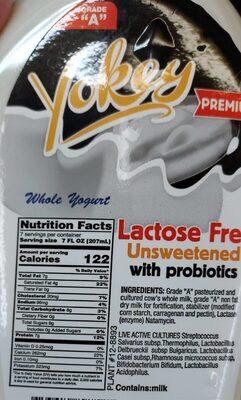
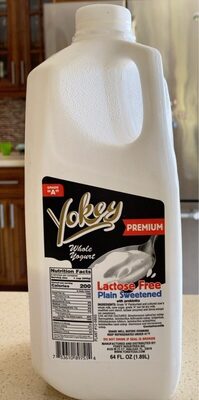
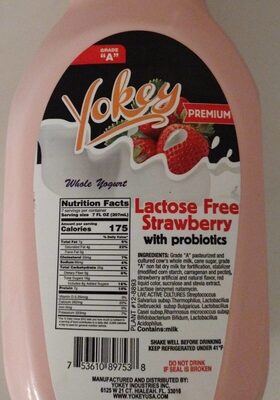
Learn more
Auto-generated content. This description was generated automatically and is pending editorial review. Inaccuracies are possible. Found a mistake? Contact us.