Grade A Pasteurized Skimmed Milk
What is Grade A Pasteurized Skimmed Milk?
Grade A Pasteurized Skimmed Milk is milk from which most of the fat has been removed. It is then heated to a specific temperature for a set amount of time to kill harmful bacteria. This process ensures the milk is safe for consumption and extends its shelf life.
Is Grade A Pasteurized Skimmed Milk vegan?
No. Grade A Pasteurized Skimmed Milk is animal-derived, so it is not vegan.
Is Grade A Pasteurized Skimmed Milk a major allergen?
Milk is one of the 9 major allergens identified by the FDA.
What is Grade A Pasteurized Skimmed Milk used for?
Manufacturers use skimmed milk as a low-fat liquid base in a variety of products.
Is Grade A Pasteurized Skimmed Milk safe?
Skimmed milk is generally recognized as safe (GRAS) by the FDA.
Why it's used
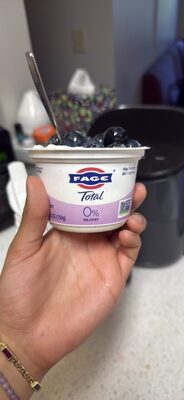
Manufacturers use skimmed milk as a low-fat liquid base in a variety of products. It provides protein and calcium while adding moisture and a creamy texture without the fat. It is commonly found in yogurts, baked goods, and dairy-based desserts.
Health notes
Skimmed milk is generally recognized as safe (GRAS) by the FDA. It is a source of protein and calcium, which are important nutrients. International bodies like JECFA have evaluated milk and milk products. Typical consumption as part of a balanced diet is not associated with adverse health effects.
Allergen info
Milk is one of the 9 major allergens identified by the FDA. Individuals with a milk allergy should avoid products containing skimmed milk.
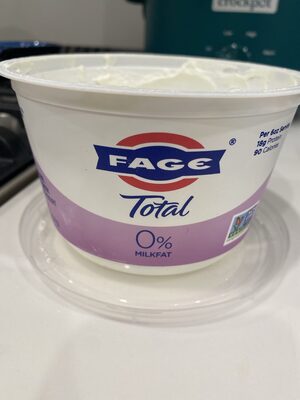
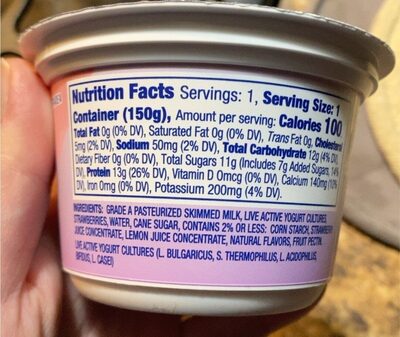
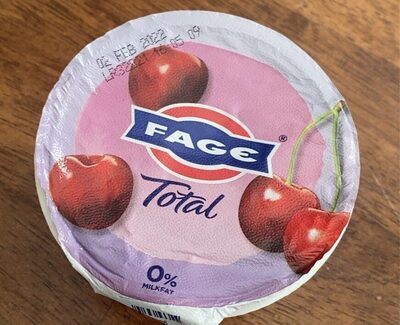
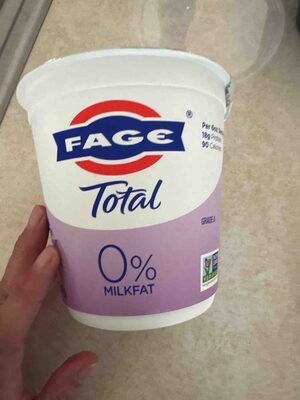
Foods that contain Grade A Pasteurized Skimmed Milk
Compare products →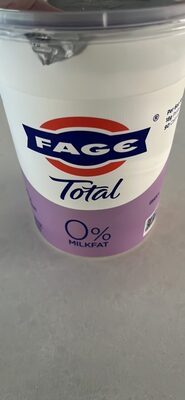
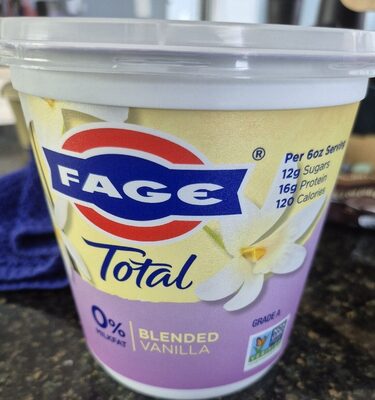
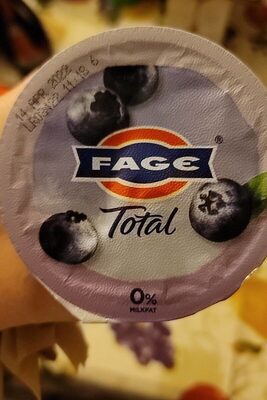
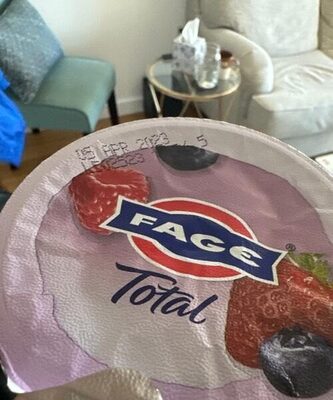


Learn more
Auto-generated content. This description was generated automatically and is pending editorial review. Inaccuracies are possible. Found a mistake? Contact us.