Grade A
What is Grade A?
Grade A is a quality standard, not an ingredient itself. It is used to classify the quality of certain agricultural products, such as milk, eggs, and honey, based on specific criteria for freshness, appearance, and other characteristics. For example, Grade A milk must meet strict standards for bacterial count and somatic cell count.
Is Grade A a major allergen?
Not a major allergen.
What is Grade A used for?
Manufacturers use the 'Grade A' designation on their labels to indicate that the product meets a certain quality standard set by a government agency or industry group.
Is Grade A safe?
The Grade A designation is a quality indicator and does not directly relate to health benefits or risks.
Why it's used
Manufacturers use the 'Grade A' designation on their labels to indicate that the product meets a certain quality standard set by a government agency or industry group. This helps consumers choose products they perceive as higher quality. It is commonly seen on dairy products like milk and yogurt, eggs, and honey.
Health notes
The Grade A designation is a quality indicator and does not directly relate to health benefits or risks. It signifies adherence to safety and quality regulations. For instance, Grade A dairy products are produced under conditions designed to ensure safety and quality. Regulatory bodies like the FDA oversee these quality standards for various food products.
Allergen info
Not a major allergen. However, products labeled Grade A (like milk or yogurt) may contain major allergens.
Foods that contain Grade A
Compare products →
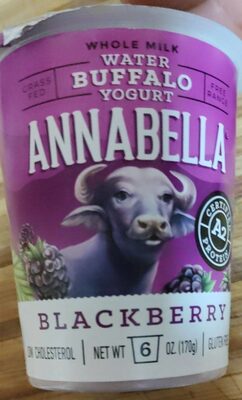
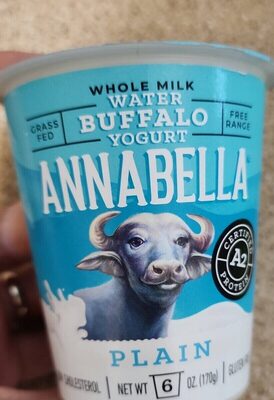
Auto-generated content. This description was generated automatically and is pending editorial review. Inaccuracies are possible. Found a mistake? Contact us.