Hi-oleic Sunflower
What is Hi-oleic Sunflower?
Hi-oleic sunflower oil is a type of sunflower oil that has a higher concentration of oleic acid, a monounsaturated fat. It is produced from specific varieties of sunflowers bred for this trait. The oil is extracted from the seeds and refined for use in food.
Is Hi-oleic Sunflower vegan?
Hi-oleic Sunflower is not animal-derived. Products that contain it can still include other animal-derived ingredients, so check the full ingredient list.
Is Hi-oleic Sunflower gluten-free?
It does not contain gluten.
Is Hi-oleic Sunflower a major allergen?
Sunflower is not one of the nine major allergens identified by the FDA.
What is Hi-oleic Sunflower used for?
Manufacturers use hi-oleic sunflower oil for its high smoke point and stability, making it suitable for frying and baking.
Is Hi-oleic Sunflower safe?
Hi-oleic sunflower oil is generally recognized as safe (GRAS) by the FDA for use in food.
Why it's used
Manufacturers use hi-oleic sunflower oil for its high smoke point and stability, making it suitable for frying and baking. It's also used in salad dressings, margarines, and other products where a neutral-flavored, stable oil is desired. Its high monounsaturated fat content is also a selling point.
Health notes
Hi-oleic sunflower oil is generally recognized as safe (GRAS) by the FDA for use in food. Like other vegetable oils, it is a source of fat and calories. The FDA has not set specific upper intake levels for this type of oil. International bodies like JECFA have evaluated sunflower oil and its components.
Allergen info
Sunflower is not one of the nine major allergens identified by the FDA. It does not contain gluten.
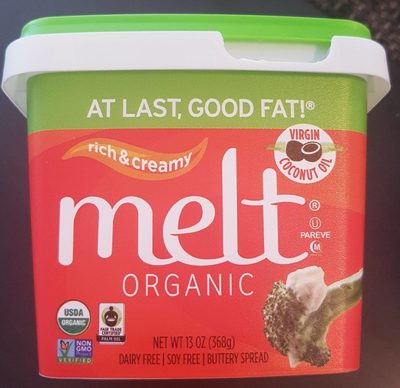
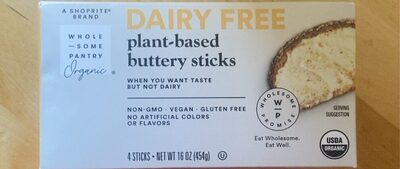
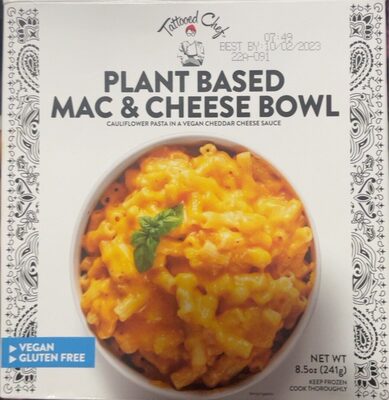
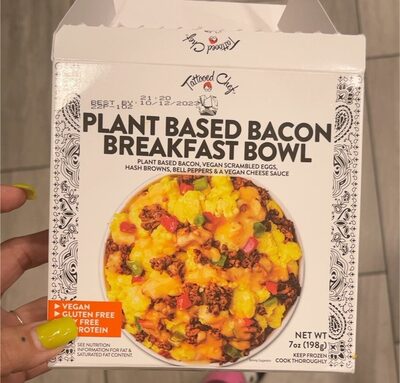
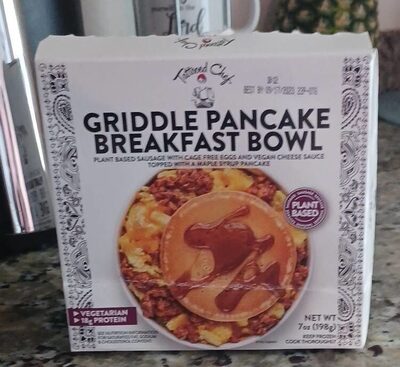
Foods that contain Hi-oleic Sunflower
Compare products →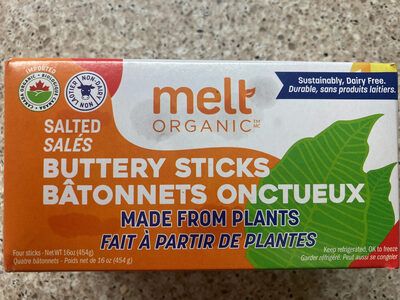
Learn more
Auto-generated content. This description was generated automatically and is pending editorial review. Inaccuracies are possible. Found a mistake? Contact us.