High Heat Milk Solids
What is High Heat Milk Solids?
High heat milk solids are a dairy ingredient made from milk that has been heated to high temperatures. This process alters the milk proteins, giving them different functional properties compared to regular milk solids.
Is High Heat Milk Solids vegan?
No. High Heat Milk Solids is animal-derived, so it is not vegan.
Is High Heat Milk Solids gluten-free?
They do not contain gluten.
Is High Heat Milk Solids a major allergen?
High heat milk solids are derived from milk, which is one of the nine major allergens recognized by the FDA.
What is High Heat Milk Solids used for?
Manufacturers use high heat milk solids to improve texture, stability, and browning in baked goods and processed foods.
Is High Heat Milk Solids safe?
High heat milk solids are generally recognized as safe (GRAS) by the FDA for use in food.
Why it's used
Manufacturers use high heat milk solids to improve texture, stability, and browning in baked goods and processed foods. They can act as a binder and contribute to a richer flavor, often found in frozen appetizers, breakfast items, and baked goods.
Health notes
High heat milk solids are generally recognized as safe (GRAS) by the FDA for use in food. They are a source of protein and calcium. International bodies like JECFA and EFSA have evaluated milk products. Evidence does not suggest adverse health effects from consuming typical amounts.
Allergen info
High heat milk solids are derived from milk, which is one of the nine major allergens recognized by the FDA. They do not contain gluten.
Foods that contain High Heat Milk Solids
Compare products →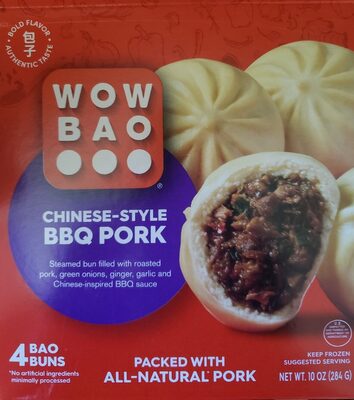
Learn more
Auto-generated content. This description was generated automatically and is pending editorial review. Inaccuracies are possible. Found a mistake? Contact us.