Homarus Americanus
Auto-generated content. This description was generated automatically and is pending editorial review. Inaccuracies are possible. Found a mistake? Contact us.
What it is
Homarus Americanus is the scientific name for the American lobster, a species of clawed lobster native to the North Atlantic Ocean. It is a marine crustacean, typically harvested from the wild and often sold live, frozen, or as processed meat.
Why it's used
Lobster is primarily used as a food ingredient, prized for its distinct flavor and texture. It is commonly featured in seafood dishes, pasta, soups, and appetizers, often found in specialty or gourmet food items.
Health notes
Lobster is a source of protein, vitamins, and minerals. The US FDA has not established specific regulations for lobster as a food additive. Regulatory bodies like the World Health Organization (WHO) and the European Food Safety Authority (EFSA) have not specifically evaluated lobster in the context of food additives. Concerns about mercury or other contaminants are generally related to the marine environment where the lobster lives, rather than the lobster itself as an ingredient.
Allergen info
Lobster is a shellfish and is one of the 9 major food allergens identified by the FDA. Individuals with shellfish allergies should avoid consuming lobster.
Products containing Homarus Americanus
Compare products →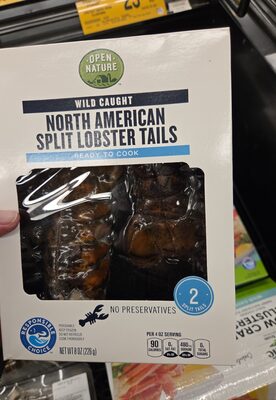 Glencourt Inc.
Wild Caught North American Split Lobster Tails
High in sodium — 21% DV per serving
High in cholesterol — 47% DV per serving
80kcal
17.0Protein
0.9Fat
0Carbs
Cozy Harbor Seafood Inc
Maine Lobster
High in sodium — 21% DV per serving
High in cholesterol — 49% DV per serving
89kcal
21Protein
0.9Fat
1Carbs
Aqua Star, Inc.
Cold Water Lobster Claws
47kcal
10Protein
0.3Fat
0.6Carbs
Aqua Star, Inc.
Cold Water Lobster Tails
42kcal
9.2Protein
0.3Fat
0Carbs
Aqua Star, Inc.
Cold Water Lobster Tails
43kcal
9.2Protein
0.3Fat
0Carbs
Aqua Star, Inc.
Cold Water Lobster
High in cholesterol — 42% DV per serving
22kcal
4.3Protein
0.1Fat
0Carbs
Glencourt Inc.
Wild Caught North American Lobster Meat Fully Cooked Claw & Knuckle
High in sodium — 30% DV per serving
High in cholesterol — 68% DV per serving
92kcal
19.0Protein
0.7Fat
0Carbs
Quisling Media
Cold Water Raw Wild Caught Lobster Tails
70kcal
15.8Protein
0Fat
0Carbs
Glencourt Inc.
Wild Caught North American Split Lobster Tails
High in sodium — 21% DV per serving
High in cholesterol — 47% DV per serving
80kcal
17.0Protein
0.9Fat
0Carbs
Cozy Harbor Seafood Inc
Maine Lobster
High in sodium — 21% DV per serving
High in cholesterol — 49% DV per serving
89kcal
21Protein
0.9Fat
1Carbs
Aqua Star, Inc.
Cold Water Lobster Claws
47kcal
10Protein
0.3Fat
0.6Carbs
Aqua Star, Inc.
Cold Water Lobster Tails
42kcal
9.2Protein
0.3Fat
0Carbs
Aqua Star, Inc.
Cold Water Lobster Tails
43kcal
9.2Protein
0.3Fat
0Carbs
Aqua Star, Inc.
Cold Water Lobster
High in cholesterol — 42% DV per serving
22kcal
4.3Protein
0.1Fat
0Carbs
Glencourt Inc.
Wild Caught North American Lobster Meat Fully Cooked Claw & Knuckle
High in sodium — 30% DV per serving
High in cholesterol — 68% DV per serving
92kcal
19.0Protein
0.7Fat
0Carbs
Quisling Media
Cold Water Raw Wild Caught Lobster Tails
70kcal
15.8Protein
0Fat
0Carbs