Hydrogenated Rapeseed Oil
Auto-generated content. This description was generated automatically and is pending editorial review. Inaccuracies are possible. Found a mistake? Contact us.
What it is
Hydrogenated rapeseed oil is a type of oil made from rapeseed (also known as canola). It is created by adding hydrogen to liquid rapeseed oil through a process called hydrogenation, which makes the oil more solid and stable.
Why it's used
Manufacturers use hydrogenated rapeseed oil to improve the texture and shelf life of foods. It acts as a fat or oil, helping to prevent separation and provide a smoother consistency in products like nut butters, candies, and crackers.
Health notes
Hydrogenated rapeseed oil is generally recognized as safe (GRAS) by the FDA. It is a source of saturated and potentially trans fats, depending on the degree of hydrogenation. While trans fats have been linked to negative health outcomes, the levels in foods have decreased significantly. JECFA and EFSA have evaluated fats and oils, including hydrogenated versions, and have established guidelines for their use.
Allergen info
Rapeseed is not one of the nine major allergens recognized by the FDA. It does not contain gluten.
Products containing Hydrogenated Rapeseed Oil
Compare products →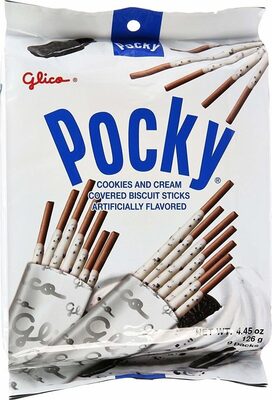 Ezaki Glico USA Corporation
Cookies And Cream Flavored Covered Biscuit Sticks, Cookies And Cream
High in saturated fat — 25% DV per serving
High in added sugars — 20% DV per serving
483kcal
6.9Protein
20.7Fat
69.0Carbs
Big Y Foods, Inc.
Creamy Peanut Butter, Creamy
594kcal
21.9Protein
50Fat
21.9Carbs
Big Y Foods, Inc.
Creamy Peanut Butter, Creamy
594kcal
21.9Protein
50Fat
21.9Carbs
Ezaki Glico USA Corporation
Cookies And Cream Flavored Covered Biscuit Sticks, Cookies And Cream
High in saturated fat — 25% DV per serving
High in added sugars — 20% DV per serving
483kcal
6.9Protein
20.7Fat
69.0Carbs
Big Y Foods, Inc.
Creamy Peanut Butter, Creamy
594kcal
21.9Protein
50Fat
21.9Carbs
Big Y Foods, Inc.
Creamy Peanut Butter, Creamy
594kcal
21.9Protein
50Fat
21.9Carbs
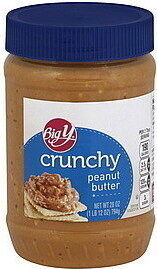 Big Y Foods, Inc.
Crunchy Peanut Butter, Crunchy
594kcal
21.9Protein
50Fat
21.9Carbs
Big Y Foods, Inc.
Crunchy Peanut Butter, Crunchy
594kcal
21.9Protein
50Fat
21.9Carbs