Hydrolyzed Corn And Yeast Protein
What is Hydrolyzed Corn And Yeast Protein?
Hydrolyzed corn and yeast protein is made by breaking down proteins from corn and yeast into smaller pieces called amino acids. This process, called hydrolysis, changes the proteins into flavor enhancers.
Is Hydrolyzed Corn And Yeast Protein gluten-free?
It does not contain gluten.
Is Hydrolyzed Corn And Yeast Protein a major allergen?
Hydrolyzed corn and yeast protein is not derived from any of the nine major allergens.
What is Hydrolyzed Corn And Yeast Protein used for?
Manufacturers add hydrolyzed corn and yeast protein to foods to boost savory or umami flavors.
Is Hydrolyzed Corn And Yeast Protein safe?
In the U.S., hydrolyzed corn and yeast protein is generally recognized as safe (GRAS) by the FDA when used as intended.
Why it's used
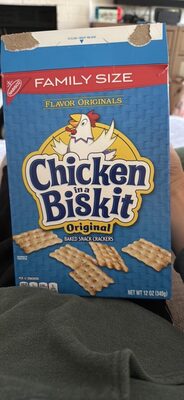
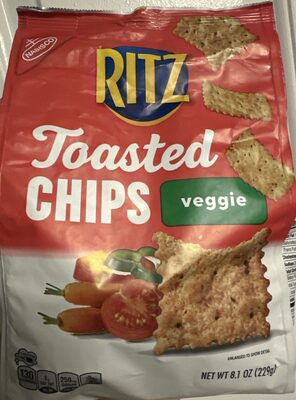
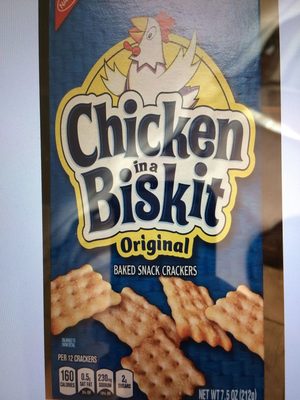
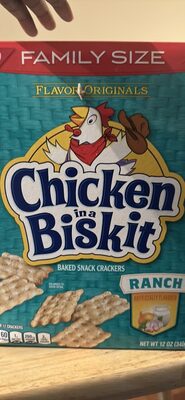
Manufacturers add hydrolyzed corn and yeast protein to foods to boost savory or umami flavors. It is often found in snacks like crackers and chips, as well as in soups and seasoned products.
Health notes
In the U.S., hydrolyzed corn and yeast protein is generally recognized as safe (GRAS) by the FDA when used as intended. It is not typically associated with adverse health effects at the levels found in food. International bodies like JECFA and EFSA have evaluated similar protein hydrolysates, but specific evaluations for this exact combination may vary.
Allergen info
Hydrolyzed corn and yeast protein is not derived from any of the nine major allergens. It does not contain gluten.
Foods that contain Hydrolyzed Corn And Yeast Protein
Compare products →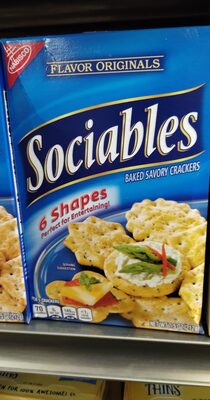
Learn more
Auto-generated content. This description was generated automatically and is pending editorial review. Inaccuracies are possible. Found a mistake? Contact us.