Interesterified
What is Interesterified?
Interesterified fats are a type of fat that has been changed to have specific properties. This change involves rearranging the fatty acids within the fat molecule. This process allows manufacturers to create fats with desired textures and melting points, often without using hydrogenation.
Is Interesterified a major allergen?
Interesterified fats themselves are not a major allergen.
What is Interesterified used for?
Manufacturers use interesterified fats to achieve specific textures and melting qualities in foods.
Is Interesterified safe?
In the United States, interesterified fats are generally recognized as safe (GRAS) when made from oils that are also GRAS.
Why it's used
Manufacturers use interesterified fats to achieve specific textures and melting qualities in foods. They are often used as a replacement for partially hydrogenated oils (PHOs) to reduce or eliminate artificial trans fats in products. You can find them in baked goods, margarines, shortenings, and various processed foods.
Health notes
In the United States, interesterified fats are generally recognized as safe (GRAS) when made from oils that are also GRAS. These fats are metabolized by the body in a similar way to other dietary fats. The Joint FAO/WHO Expert Committee on Food Additives (JECFA) has evaluated interesterified fats and concluded they do not pose a safety concern when made from edible, food-grade fats and oils. The European Food Safety Authority (EFSA) has also found no safety concerns for their use in food. Their primary benefit is allowing manufacturers to remove artificial trans fats from products, as partially hydrogenated oils (PHOs) are no longer considered GRAS by the FDA since 2018.
Allergen info
Interesterified fats themselves are not a major allergen. However, the oils used to make them, such as soybean oil, could be derived from a major allergen.
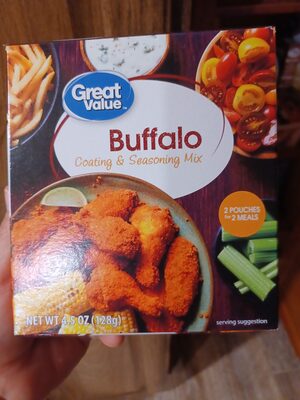
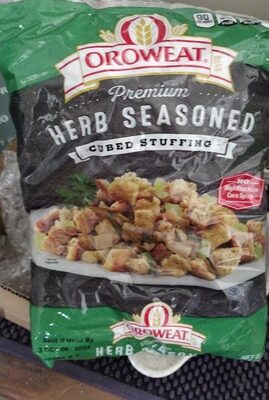
Foods that contain Interesterified
Compare products →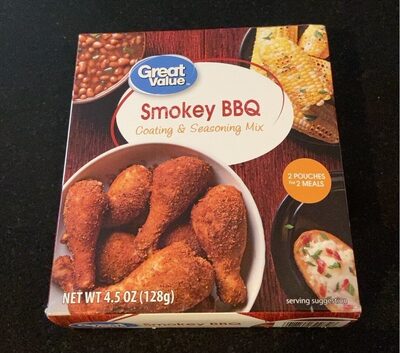
Learn more
Auto-generated content. This description was generated automatically and is pending editorial review. Inaccuracies are possible. Found a mistake? Contact us.