L Acidophilus
What is L Acidophilus?
Lactobacillus acidophilus is a type of bacteria naturally found in the human gut and is often added to foods. It is a probiotic, meaning it is a live microorganism that may provide health benefits when consumed in adequate amounts. It is grown in controlled laboratory settings for use in food production.
Is L Acidophilus vegan?
L Acidophilus is not animal-derived. Products that contain it can still include other animal-derived ingredients, so check the full ingredient list.
Is L Acidophilus gluten-free?
It does not contain gluten.
Is L Acidophilus a major allergen?
L. acidophilus itself is not one of the nine major allergens.
What is L Acidophilus used for?
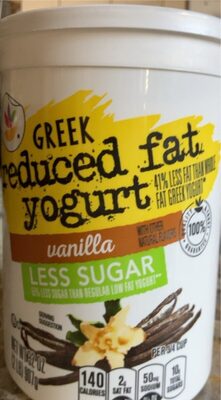
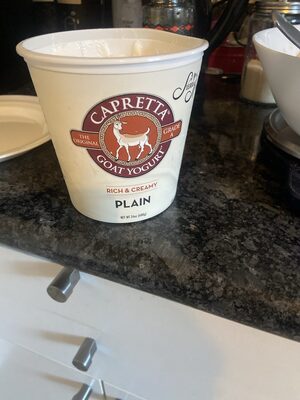
L. acidophilus is commonly added to fermented foods like yogurt and some cheeses to aid in the fermentation process and contribute to their characteristic tangy flavor.
Is L Acidophilus safe?
L. acidophilus is generally recognized as safe (GRAS) by the FDA for use in food.
Why it's used
L. acidophilus is commonly added to fermented foods like yogurt and some cheeses to aid in the fermentation process and contribute to their characteristic tangy flavor. It is also used as a probiotic supplement in various food products, including dairy and non-dairy alternatives, to potentially enhance gut health.
Health notes
L. acidophilus is generally recognized as safe (GRAS) by the FDA for use in food. It is considered a beneficial microorganism, and some research suggests it may support digestive health. International bodies like JECFA have evaluated probiotics, but specific numeric limits are not typically set for live cultures. Evidence for specific health benefits can vary, and it is not a cure for any disease.
Allergen info
L. acidophilus itself is not one of the nine major allergens. However, it is often cultured in dairy-based media, so trace amounts of milk may be present depending on the manufacturing process. It does not contain gluten.
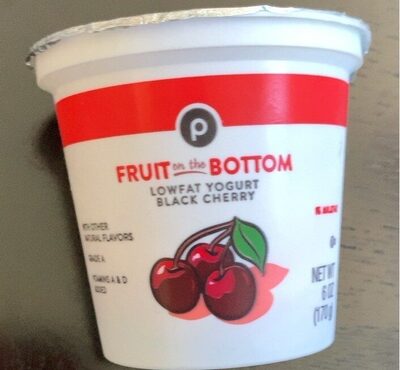
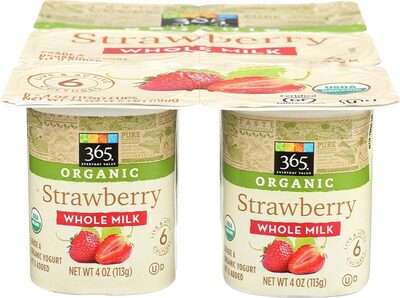
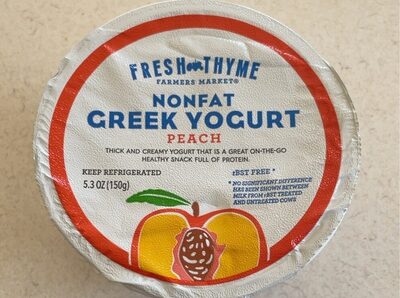
Foods that contain L Acidophilus
Compare products →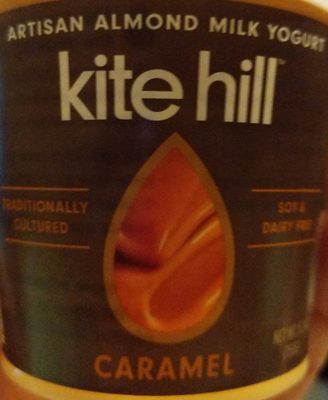
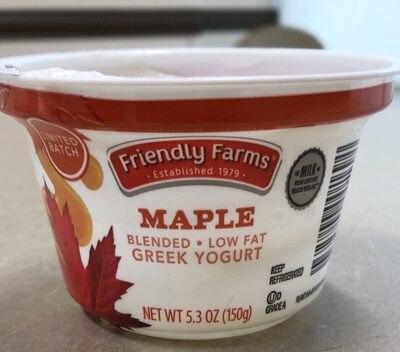
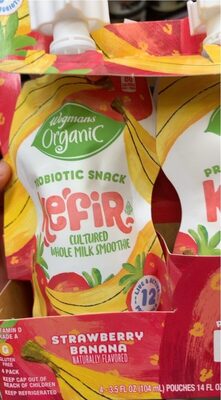
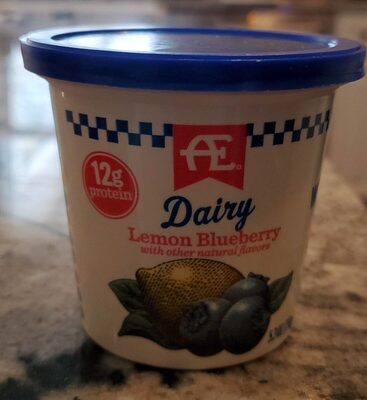
Auto-generated content. This description was generated automatically and is pending editorial review. Inaccuracies are possible. Found a mistake? Contact us.