Lipolyzed Cream
What is Lipolyzed Cream?
Lipolyzed cream is a dairy ingredient made from cream that has undergone a process called lipolysis. This process breaks down the fat molecules in the cream, which can alter its flavor and texture. It is often used to impart a more intense, buttery flavor to foods.
Is Lipolyzed Cream vegan?
No. Lipolyzed Cream is animal-derived, so it is not vegan.
Is Lipolyzed Cream gluten-free?
It does not contain gluten.
Is Lipolyzed Cream a major allergen?
Lipolyzed cream is derived from milk, which is one of the FDA's major allergens.
What is Lipolyzed Cream used for?
Manufacturers use lipolyzed cream to enhance the buttery or creamy taste in a variety of products.
Is Lipolyzed Cream safe?
Lipolyzed cream is generally recognized as safe (GRAS) by the FDA when used as a food ingredient.
Why it's used
Manufacturers use lipolyzed cream to enhance the buttery or creamy taste in a variety of products. It is commonly found in baked goods like biscuits and pastries, as well as in frozen breakfast items and some confectionery, such as chocolate.
Health notes
Lipolyzed cream is generally recognized as safe (GRAS) by the FDA when used as a food ingredient. It is a source of fat and contributes to the overall caloric content of a food. International bodies like JECFA have evaluated dairy components, and no specific concerns have been raised regarding lipolyzed cream at typical consumption levels.
Allergen info
Lipolyzed cream is derived from milk, which is one of the FDA's major allergens. It does not contain gluten.
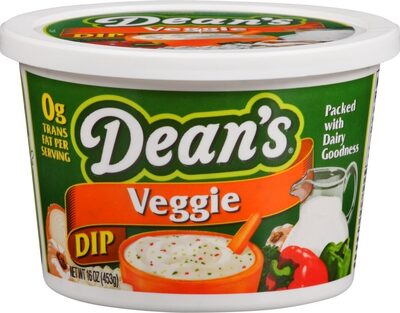
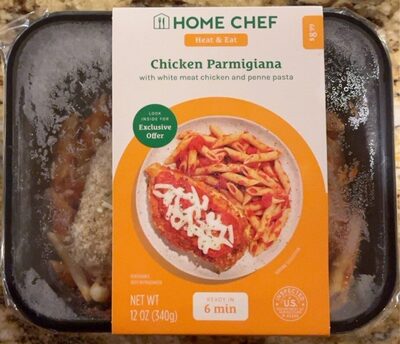
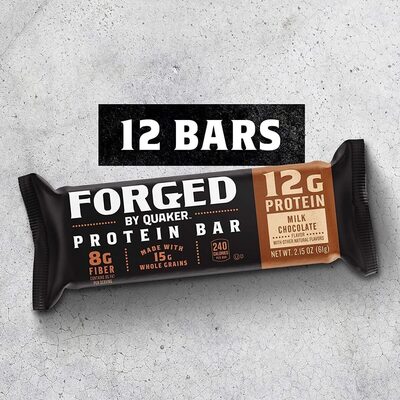
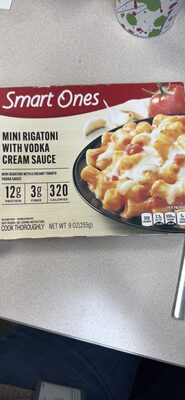
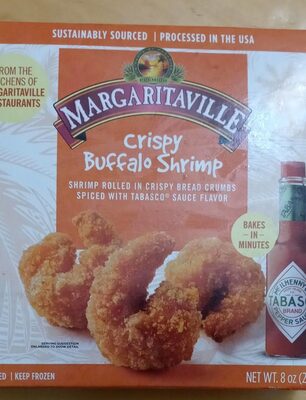
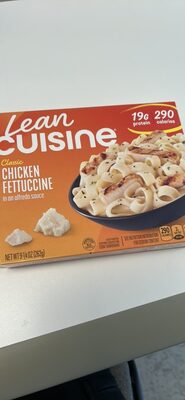
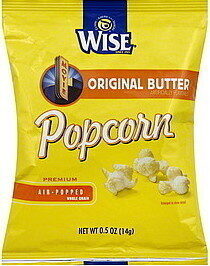
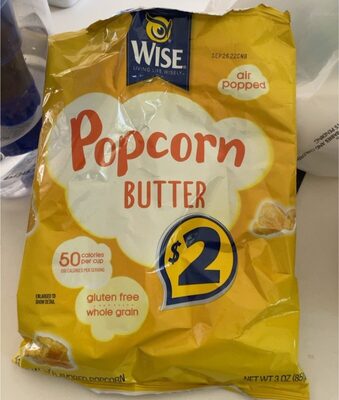
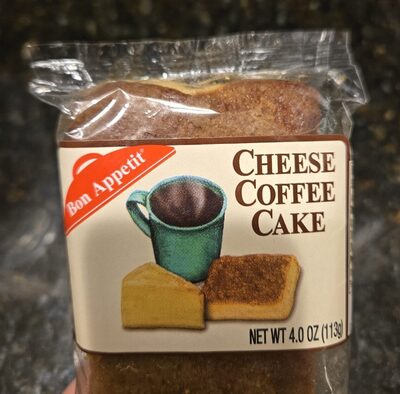
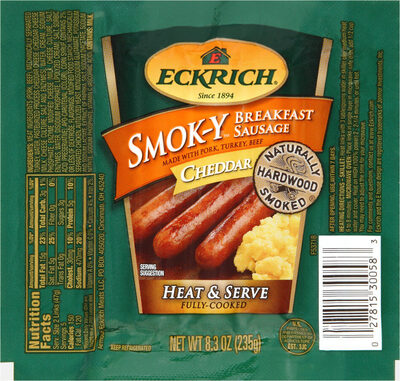
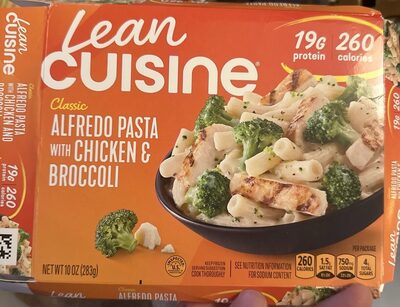
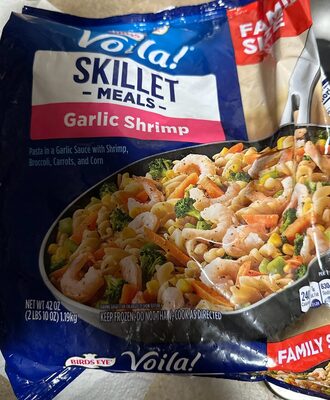
Foods that contain Lipolyzed Cream
Compare products →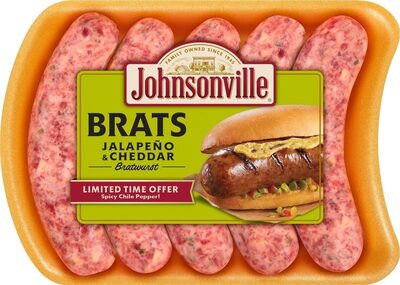

Learn more
Auto-generated content. This description was generated automatically and is pending editorial review. Inaccuracies are possible. Found a mistake? Contact us.