Low Fat Milk
What is Low Fat Milk?
Low-fat milk is cow's milk from which most of the butterfat has been removed. It typically contains 1% or 2% milkfat, compared to whole milk which contains about 3.25% milkfat. The fat is removed through a process called centrifugation.
Is Low Fat Milk vegan?
No. Low Fat Milk is animal-derived, so it is not vegan.
Is Low Fat Milk gluten-free?
It does not contain gluten.
Is Low Fat Milk a major allergen?
Milk is one of the 9 FDA major allergens.
What is Low Fat Milk used for?
Manufacturers use low-fat milk as a primary ingredient in dairy products like yogurt and cheese, and as a liquid base in baked goods, soups, and sauces.
Is Low Fat Milk safe?
Low-fat milk is a source of calcium, vitamin D, and protein.
Why it's used
Manufacturers use low-fat milk as a primary ingredient in dairy products like yogurt and cheese, and as a liquid base in baked goods, soups, and sauces. It provides moisture, protein, and calcium, and contributes to texture and flavor in products such as cakes, crackers, and ready-to-drink shakes.
Health notes
Low-fat milk is a source of calcium, vitamin D, and protein. The U.S. Food and Drug Administration (FDA) considers milk a major food allergen. Regulatory bodies like the European Food Safety Authority (EFSA) and the Joint FAO/WHO Expert Committee on Food Additives (JECFA) have evaluated milk and its components. Evidence does not suggest adverse health effects from consuming typical amounts of low-fat milk for most people.
Allergen info
Milk is one of the 9 FDA major allergens. It does not contain gluten.
Foods that contain Low Fat Milk
Compare products →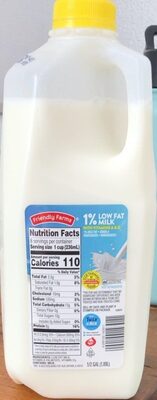
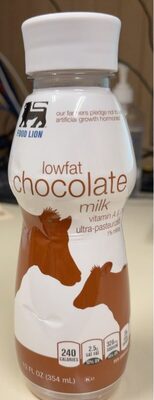
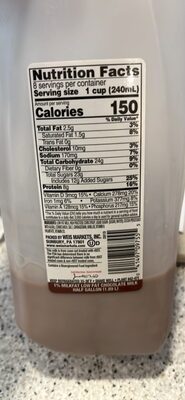
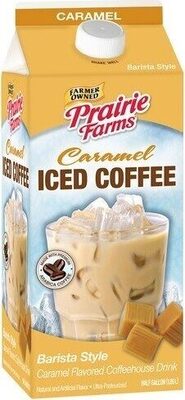
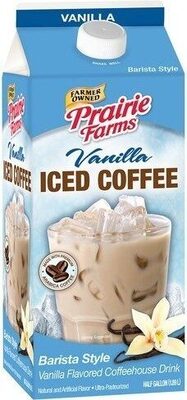
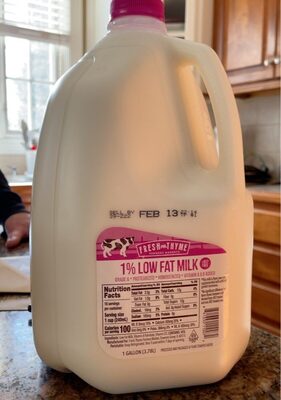
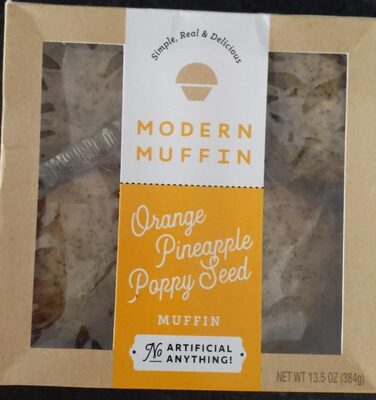
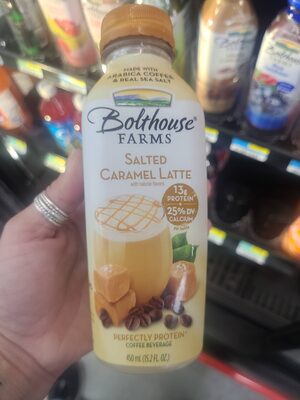
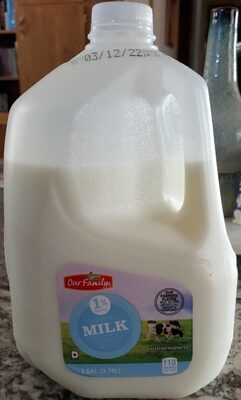
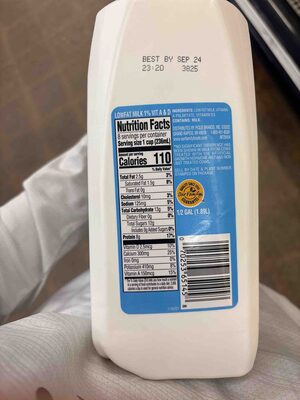
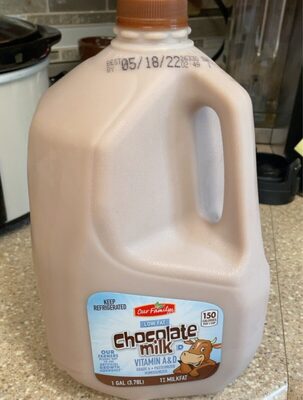
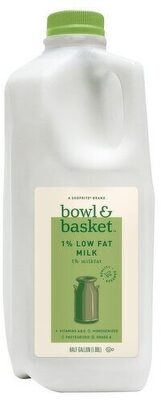
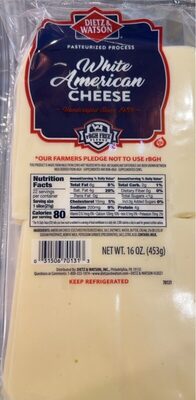
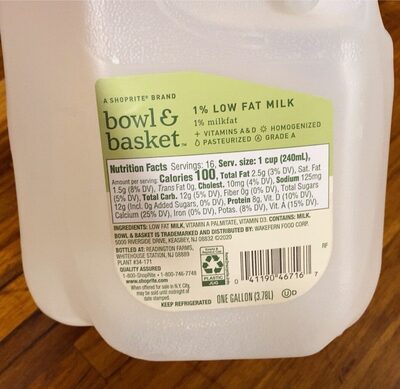
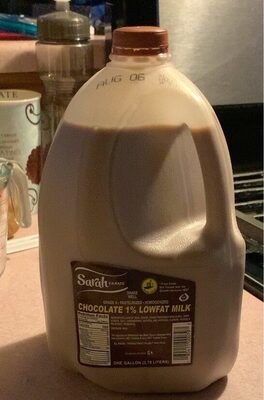
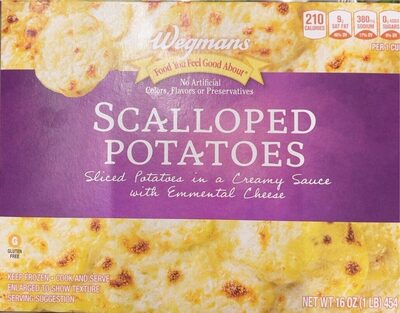
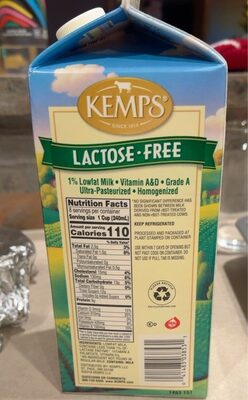
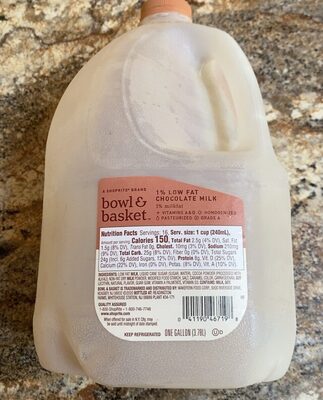
Learn more
Auto-generated content. This description was generated automatically and is pending editorial review. Inaccuracies are possible. Found a mistake? Contact us.