Lowfat Cottage Cheese
What is Lowfat Cottage Cheese?
Lowfat cottage cheese is a fresh cheese product made from cow's milk. It is produced by curdling milk with a starter culture and rennet, then draining off most of the whey. The curds are then lightly salted and often mixed with a dressing that typically includes milk, cream, and stabilizers.
Is Lowfat Cottage Cheese vegan?
No. Lowfat Cottage Cheese is animal-derived, so it is not vegan.
Is Lowfat Cottage Cheese gluten-free?
It does not contain gluten.
Is Lowfat Cottage Cheese a major allergen?
Cottage cheese is derived from milk, which is one of the nine major allergens identified by the FDA.
What is Lowfat Cottage Cheese used for?
Manufacturers use lowfat cottage cheese as a protein-rich ingredient in various foods.
Is Lowfat Cottage Cheese safe?
Lowfat cottage cheese is generally recognized as safe (GRAS) by the FDA for consumption.
Why it's used
Manufacturers use lowfat cottage cheese as a protein-rich ingredient in various foods. It adds a creamy texture and mild flavor, often appearing in desserts, baked goods, and as a topping.
Health notes
Lowfat cottage cheese is generally recognized as safe (GRAS) by the FDA for consumption. It is a good source of protein and calcium. International bodies like JECFA and EFSA have evaluated dairy products, and cottage cheese is considered a safe food when handled properly. No specific health concerns are associated with typical consumption.
Allergen info
Cottage cheese is derived from milk, which is one of the nine major allergens identified by the FDA. It does not contain gluten.
Foods that contain Lowfat Cottage Cheese
Compare products →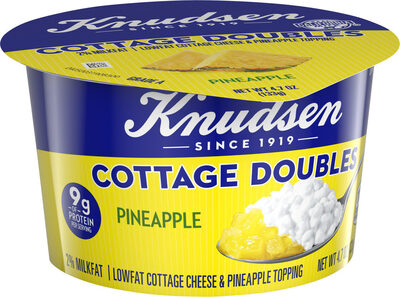
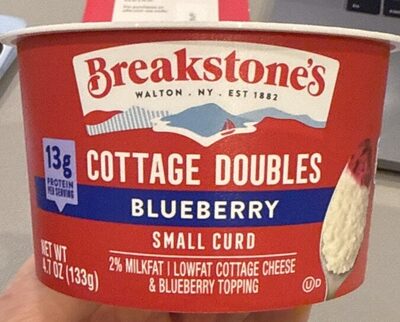
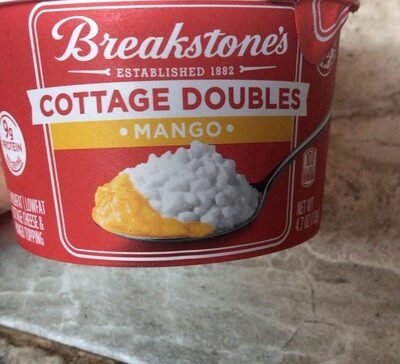
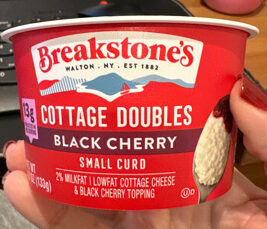
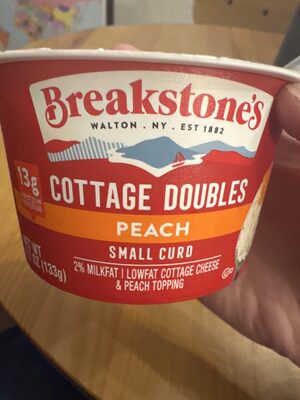
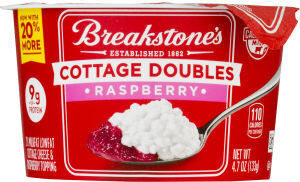
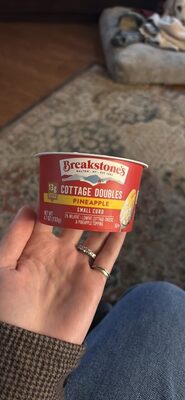
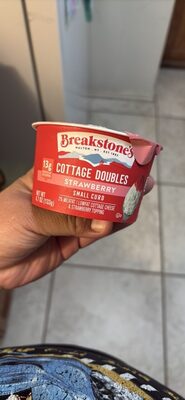
Learn more
Auto-generated content. This description was generated automatically and is pending editorial review. Inaccuracies are possible. Found a mistake? Contact us.