Lye Water
What is Lye Water?
Lye water is a solution of potassium carbonate or sodium carbonate in water. It is made by dissolving the salts, which are typically derived from ashes of plants like ashwood or seaweed, in water.
Is Lye Water vegan?
Lye Water is not animal-derived. Products that contain it can still include other animal-derived ingredients, so check the full ingredient list.
Is Lye Water a major allergen?
Not a major allergen.
What is Lye Water used for?
Lye water is used in food preparation to increase the pH of doughs and batters, which helps to create a chewy texture and a golden-brown color.
Is Lye Water safe?
In the United States, lye water (potassium carbonate and sodium carbonate) is generally recognized as safe (GRAS) by the FDA when used for its intended purpose in food.
Why it's used
Lye water is used in food preparation to increase the pH of doughs and batters, which helps to create a chewy texture and a golden-brown color. It is most commonly found in traditional Asian baked goods like mooncakes and pretzels.
Health notes
In the United States, lye water (potassium carbonate and sodium carbonate) is generally recognized as safe (GRAS) by the FDA when used for its intended purpose in food. These substances are naturally occurring and are used in small amounts in food. JECFA has evaluated potassium carbonate and sodium carbonate and established acceptable daily intakes. Evidence does not suggest adverse health effects at typical consumption levels.
Allergen info
Not a major allergen.
Foods that contain Lye Water
Compare products →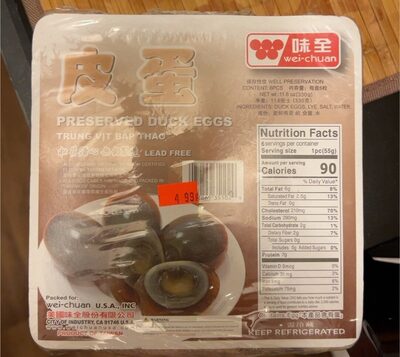
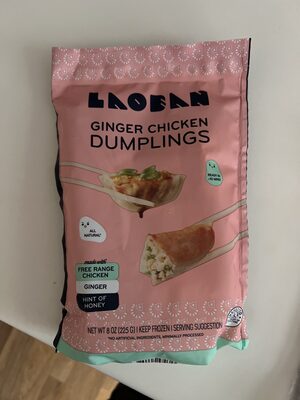
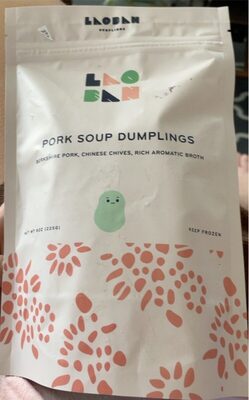
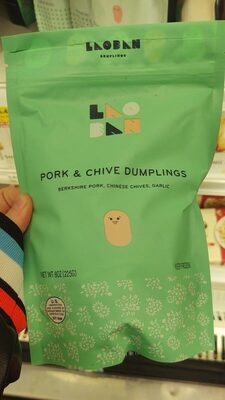
Auto-generated content. This description was generated automatically and is pending editorial review. Inaccuracies are possible. Found a mistake? Contact us.