Maited Barley Flour
What is Maited Barley Flour?
Malted barley flour is made from barley that has been allowed to germinate (malt) and then dried and ground into a flour. This process converts some of the starches into sugars, giving it a slightly sweet flavor and aiding in baking.
Is Maited Barley Flour vegan?
Maited Barley Flour is not animal-derived. Products that contain it can still include other animal-derived ingredients, so check the full ingredient list.
Is Maited Barley Flour gluten-free?
Barley is a grain and contains gluten.
What is Maited Barley Flour used for?
Malted barley flour is often used in baking to improve the texture, crust color, and flavor of bread, cookies, and other baked goods.
Is Maited Barley Flour safe?
Malted barley flour is generally recognized as safe (GRAS) by the FDA for use in food.
Why it's used
Malted barley flour is often used in baking to improve the texture, crust color, and flavor of bread, cookies, and other baked goods. It acts as a natural sweetener and can help with leavening by providing food for yeast.
Health notes
Malted barley flour is generally recognized as safe (GRAS) by the FDA for use in food. It is a source of carbohydrates and some B vitamins. Regulatory bodies like JECFA and EFSA have evaluated barley and its components, generally considering them safe as food ingredients. No significant health controversies are associated with its typical consumption.
Allergen info
Barley is a grain and contains gluten. Therefore, malted barley flour is not gluten-free and is unsuitable for individuals with celiac disease or gluten sensitivity.
Foods that contain Maited Barley Flour
Compare products →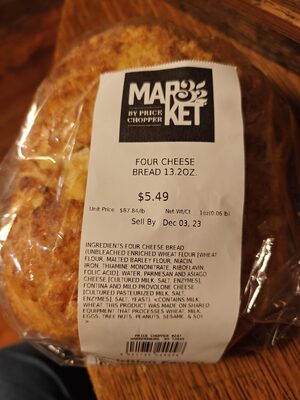
Learn more
Auto-generated content. This description was generated automatically and is pending editorial review. Inaccuracies are possible. Found a mistake? Contact us.