Malted Wheat Flakes
What is Malted Wheat Flakes?
Malted wheat flakes are made from whole wheat kernels that have been sprouted and dried, a process called malting. This process changes the starches into sugars and develops a nutty, slightly sweet flavor. The sprouted kernels are then typically flaked or rolled.
Is Malted Wheat Flakes vegan?
Malted Wheat Flakes is not animal-derived. Products that contain it can still include other animal-derived ingredients, so check the full ingredient list.
Is Malted Wheat Flakes gluten-free?
They also contain gluten.
Is Malted Wheat Flakes a major allergen?
Malted wheat flakes are derived from wheat, which is one of the 9 FDA major allergens.
What is Malted Wheat Flakes used for?
Manufacturers use malted wheat flakes for their flavor, texture, and nutritional content.
Is Malted Wheat Flakes safe?
Malted wheat flakes are generally recognized as safe (GRAS) by the FDA when used in food.
Why it's used
Manufacturers use malted wheat flakes for their flavor, texture, and nutritional content. They add a wholesome, slightly sweet, and malty taste to foods. They are commonly found in breakfast cereals, granola, breads, crackers, and baked goods.
Health notes
Malted wheat flakes are generally recognized as safe (GRAS) by the FDA when used in food. They are a source of carbohydrates, fiber, and some B vitamins. International bodies like JECFA and EFSA have evaluated similar malted grain products. Evidence does not suggest adverse health effects from typical consumption.
Allergen info
Malted wheat flakes are derived from wheat, which is one of the 9 FDA major allergens. They also contain gluten.
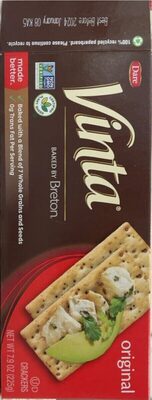
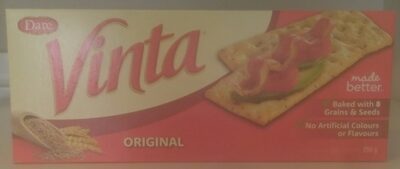
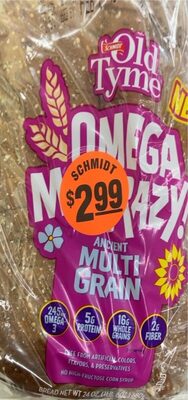
Foods that contain Malted Wheat Flakes
Compare products →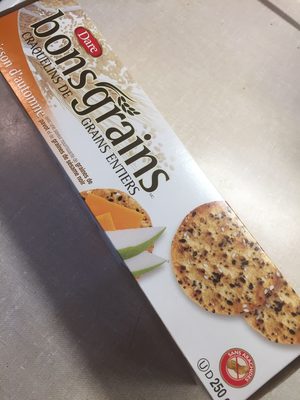
Learn more
Auto-generated content. This description was generated automatically and is pending editorial review. Inaccuracies are possible. Found a mistake? Contact us.