Mango
Auto-generated content. This description was generated automatically and is pending editorial review. Inaccuracies are possible. Found a mistake? Contact us.
What it is
Mango is a tropical stone fruit that grows on trees. It is native to South Asia but is now cultivated in many tropical and subtropical regions worldwide. The fruit is known for its sweet, juicy flesh and can be eaten fresh, dried, or used in various culinary preparations.
Why it's used
Mango is primarily used as a flavoring agent and sweetener in a wide range of food products. Its natural sweetness and tropical taste make it popular in candies, beverages, yogurts, and desserts. It can also be found in dried fruit mixes and savory dishes.
Health notes
Mango is generally recognized as safe (GRAS) by the FDA when used as a food ingredient. It is a good source of vitamins A and C, and dietary fiber. International bodies like JECFA have evaluated mango and its components. While generally considered healthy, excessive consumption of mango, especially in processed forms with added sugars, could contribute to increased calorie intake.
Allergen info
Mango is not one of the nine FDA major allergens. It does not contain gluten.
Products containing Mango
Compare products →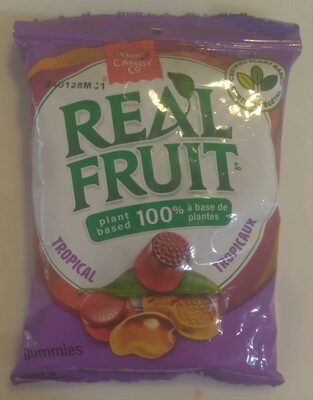 DARE CANDY CO
Gummies
359kcal
5.1Protein
0Fat
82.0Carbs
TRADER JOE'S
Crispy Crunchy Mixed Fruit
High in saturated fat — 40% DV per serving
500kcal
3.3Protein
21.7Fat
71.7Carbs
VARIEDADES DEL
Dried Mango
264kcal
4Protein
2Fat
72Carbs
ROYAL SNACKS
Mongo Con Chile
250kcal
0Protein
0Fat
82.5Carbs
FRESH & EASY
Mango And Strawberry With Yogurt & Granola
109kcal
3.2Protein
0.9Fat
22.5Carbs
EL CHAVO
Mini Jelly Stick
200kcal
0Protein
0Fat
30Carbs
LOSSO
Assorted Candies
200kcal
0Protein
0Fat
30Carbs
LOSSO
El Chavo Jelly Mini Stick
200kcal
0Protein
0Fat
30Carbs
LOSSO
Assorted Jelly Mini Stick
200kcal
0Protein
0Fat
30Carbs
FRESH PRODUCE
Mango Spears
63kcal
0.7Protein
0.3Fat
14.8Carbs
RICANTE
Hot Sauce
71kcal
0Protein
0Fat
14.3Carbs
ALL AMERICAN NUT & CANDY CORP
Slices
353kcal
0Protein
0Fat
86.7Carbs
DARE CANDY CO
Gummies
359kcal
5.1Protein
0Fat
82.0Carbs
TRADER JOE'S
Crispy Crunchy Mixed Fruit
High in saturated fat — 40% DV per serving
500kcal
3.3Protein
21.7Fat
71.7Carbs
VARIEDADES DEL
Dried Mango
264kcal
4Protein
2Fat
72Carbs
ROYAL SNACKS
Mongo Con Chile
250kcal
0Protein
0Fat
82.5Carbs
FRESH & EASY
Mango And Strawberry With Yogurt & Granola
109kcal
3.2Protein
0.9Fat
22.5Carbs
EL CHAVO
Mini Jelly Stick
200kcal
0Protein
0Fat
30Carbs
LOSSO
Assorted Candies
200kcal
0Protein
0Fat
30Carbs
LOSSO
El Chavo Jelly Mini Stick
200kcal
0Protein
0Fat
30Carbs
LOSSO
Assorted Jelly Mini Stick
200kcal
0Protein
0Fat
30Carbs
FRESH PRODUCE
Mango Spears
63kcal
0.7Protein
0.3Fat
14.8Carbs
RICANTE
Hot Sauce
71kcal
0Protein
0Fat
14.3Carbs
ALL AMERICAN NUT & CANDY CORP
Slices
353kcal
0Protein
0Fat
86.7Carbs