Medjool Dates
What is Medjool Dates?
Medjool dates are a variety of date fruit, known for their large size, soft texture, and sweet flavor. They grow on date palm trees, primarily in the Middle East and North Africa. The fruit is typically harvested and dried slightly before being sold whole, often with the pit still inside.
Is Medjool Dates vegan?
Medjool Dates is not animal-derived. Products that contain it can still include other animal-derived ingredients, so check the full ingredient list.
Is Medjool Dates gluten-free?
They do not contain gluten.
Is Medjool Dates a major allergen?
Medjool dates are not one of the nine FDA major allergens.
What is Medjool Dates used for?
Dates are a natural sweetener and provide a chewy texture.
Is Medjool Dates safe?
Medjool dates are a source of natural sugars, fiber, and some vitamins and minerals.
Why it's used
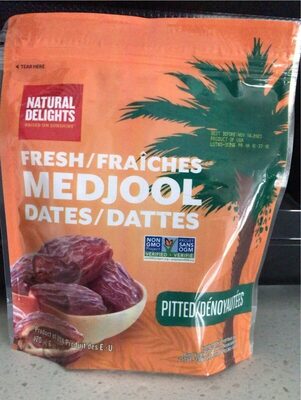
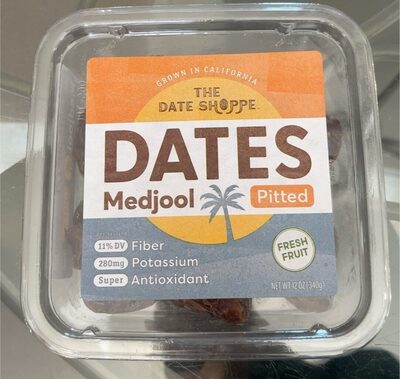
Dates are a natural sweetener and provide a chewy texture. Manufacturers use them in energy bars, baked goods, and snacks as a whole food ingredient. They can also be processed into date paste, which acts as a binder and sweetener in various food products.
Health notes
Medjool dates are a source of natural sugars, fiber, and some vitamins and minerals. The US FDA considers dates to be Generally Recognized As Safe (GRAS) for their intended use. International bodies like JECFA have evaluated dates. At typical consumption levels as part of a balanced diet, they are not associated with adverse health effects.
Allergen info
Medjool dates are not one of the nine FDA major allergens. They do not contain gluten.
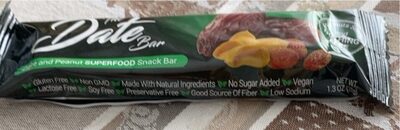
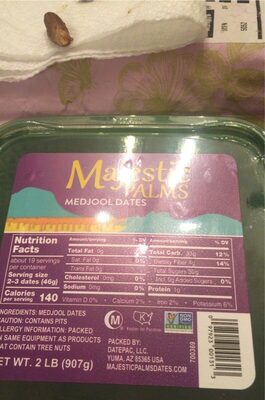
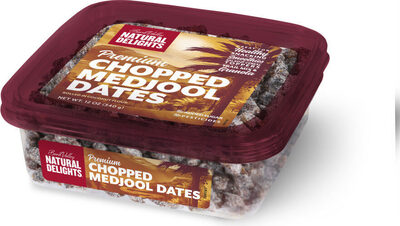
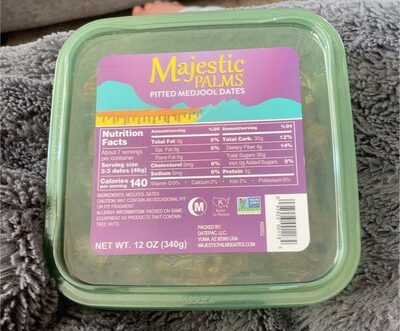
Foods that contain Medjool Dates
Compare products →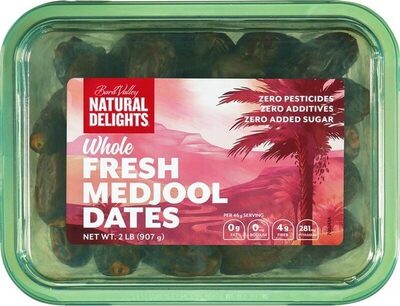
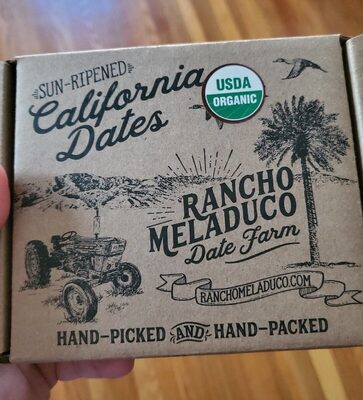
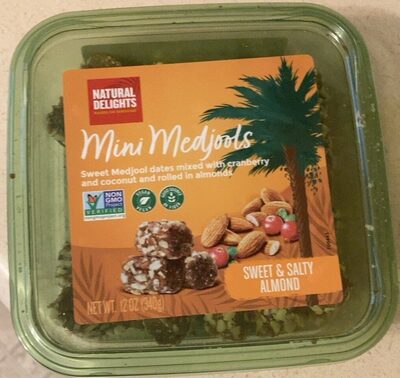
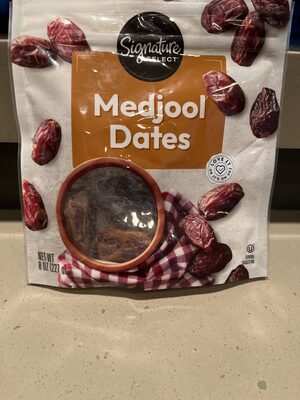
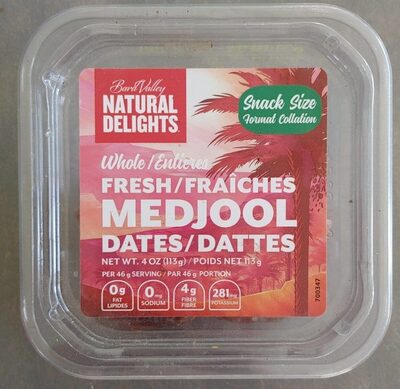
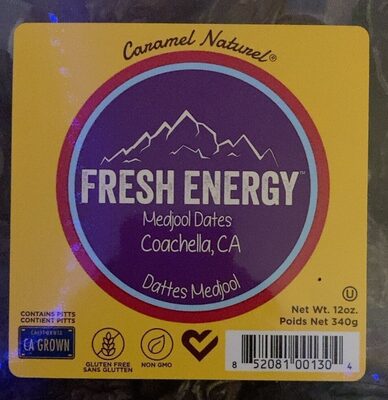

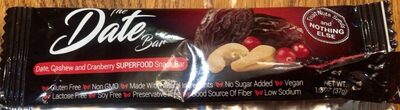


Auto-generated content. This description was generated automatically and is pending editorial review. Inaccuracies are possible. Found a mistake? Contact us.