Milk Traces
What is Milk Traces?
Milk traces refer to very small amounts of milk or milk components that may be present in a food product. These can occur through cross-contamination during manufacturing or as an unintended byproduct of processing ingredients that come from milk.
Is Milk Traces vegan?
No. Milk Traces is animal-derived, so it is not vegan.
Is Milk Traces a major allergen?
Milk is one of the 9 FDA major allergens.
What is Milk Traces used for?
Milk traces are not intentionally added for a specific function.
Is Milk Traces safe?
For most people, the tiny amounts of milk found as traces do not pose a health concern.
Why it's used
Milk traces are not intentionally added for a specific function. Their presence is usually incidental, arising from shared equipment or processing lines in facilities that handle milk-derived ingredients. They are most often found in snacks like popcorn, chocolate, and candy where cross-contamination is a possibility.
Health notes
For most people, the tiny amounts of milk found as traces do not pose a health concern. However, for individuals with a milk allergy, even trace amounts can trigger a reaction. The FDA requires clear labeling of major allergens, including milk, if they are intentionally added or if there's a risk of cross-contamination. Regulatory bodies like JECFA and EFSA have evaluated milk and its components.
Allergen info
Milk is one of the 9 FDA major allergens. Therefore, milk traces are considered a potential allergen.
Foods that contain Milk Traces
Compare products →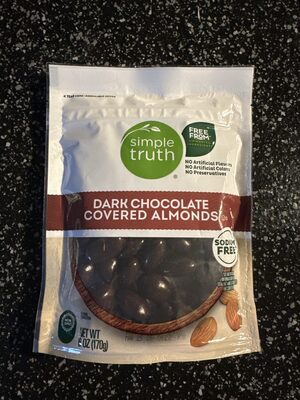
Learn more
Auto-generated content. This description was generated automatically and is pending editorial review. Inaccuracies are possible. Found a mistake? Contact us.