Modified Food Starch-corn
What is Modified Food Starch-corn?
Modified food starch is derived from corn, wheat, potato, or tapioca. It is altered physically or chemically to improve its performance in food products, such as thickening or stabilizing. This process changes the starch's properties without significantly altering its nutritional value.
Is Modified Food Starch-corn vegan?
Modified Food Starch-corn is not animal-derived. Products that contain it can still include other animal-derived ingredients, so check the full ingredient list.
Is Modified Food Starch-corn gluten-free?
If derived from wheat, it may contain gluten, but the processing typically removes most or all gluten proteins.
Is Modified Food Starch-corn a major allergen?
Modified food starch is not a major allergen.
What is Modified Food Starch-corn used for?
Manufacturers use modified food starch as a thickener, stabilizer, and emulsifier.
Is Modified Food Starch-corn safe?
Modified food starch is generally recognized as safe (GRAS) by the FDA for use in food.
Why it's used
Manufacturers use modified food starch as a thickener, stabilizer, and emulsifier. It helps improve the texture and consistency of foods like sauces, gravies, dairy products, and baked goods. It can also prevent ingredients from separating and improve freeze-thaw stability.
Health notes
Modified food starch is generally recognized as safe (GRAS) by the FDA for use in food. Regulatory bodies like JECFA and EFSA have evaluated modified starches, and they are permitted for use in foods. At typical consumption levels, modified food starch does not pose health risks. There are no widespread controversies regarding its safety.
Allergen info
Modified food starch is not a major allergen. If derived from wheat, it may contain gluten, but the processing typically removes most or all gluten proteins. Check product labels for specific allergen information if needed.
Foods that contain Modified Food Starch-corn
Compare products →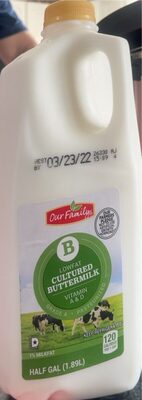
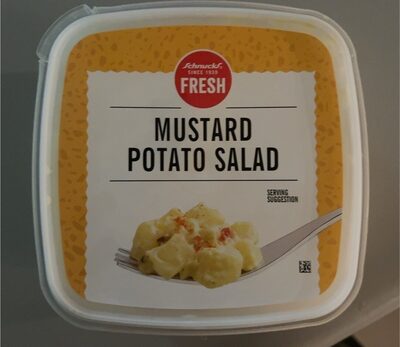
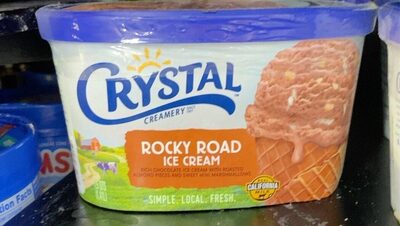
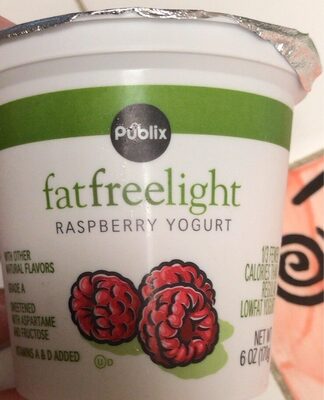
Learn more
Auto-generated content. This description was generated automatically and is pending editorial review. Inaccuracies are possible. Found a mistake? Contact us.