Modified Potato And Tapioca Starch
Auto-generated content. This description was generated automatically and is pending editorial review. Inaccuracies are possible. Found a mistake? Contact us.
What it is
Modified potato and tapioca starch are starches that have been physically or chemically altered to improve their performance in food. Potatoes and the cassava plant (which yields tapioca) are the natural sources. The modification process changes the starch's texture, stability, and ability to withstand heat and freezing.
Why it's used
Manufacturers use modified starches as thickeners, stabilizers, and emulsifiers in a wide range of processed foods. They help create a desirable texture, prevent ingredients from separating, and improve the overall mouthfeel of products like sauces, soups, baked goods, and frozen meals.
Health notes
Modified potato and tapioca starch are generally recognized as safe (GRAS) by the FDA for use in food. They are a source of carbohydrates and are digested like other starches. International bodies like JECFA have evaluated various modified starches. Evidence does not suggest adverse health effects from consuming these ingredients at typical levels found in food.
Allergen info
Not a major allergen. Potatoes and tapioca are not among the nine major allergens identified by the FDA. They do not contain gluten.
Products containing Modified Potato And Tapioca Starch
Compare products →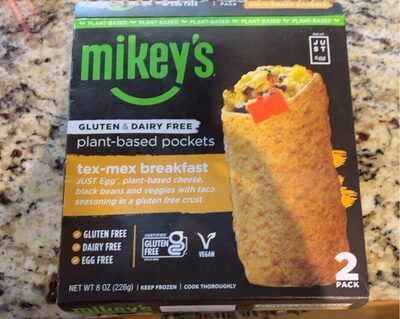 JMT Foods
Tex-Mex Breakfast Just Egg, Plant-Based Cheese, Black Beans And Veggies With Taco Seasoning In A Gluten Free Crust, Tex-Mex Breakfast
High in saturated fat — 22% DV per serving
124kcal
4.0Protein
7.1Fat
11.9Carbs
JMT Foods
Tex-Mex Breakfast Just Egg, Plant-Based Cheese, Black Beans And Veggies With Taco Seasoning In A Gluten Free Crust, Tex-Mex Breakfast
High in saturated fat — 22% DV per serving
124kcal
4.0Protein
7.1Fat
11.9Carbs
 JMT Foods
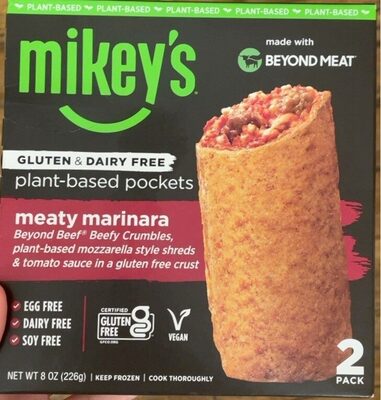
Gluten & Dairy Free Meaty Marinara Plant-Based Pockets
265kcal
8.8Protein
6.2Fat
33.6Carbs
JMT Foods
Gluten & Dairy Free Meaty Marinara Plant-Based Pockets
265kcal
8.8Protein
6.2Fat
33.6Carbs
 JMT Foods
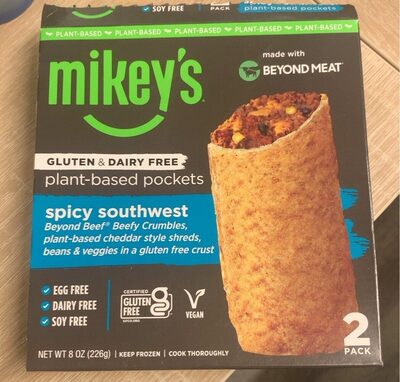
Spicy Southwest Plant-Based Pockets
248kcal
8.8Protein
4.4Fat
31.9Carbs
JMT Foods
Plant-Based Pepperoni Pizza Pockets, Pepperoni
High in sodium — 24% DV per serving
High in saturated fat — 25% DV per serving
265kcal
8.0Protein
14.2Fat
28.3Carbs
JMT Foods
Spicy Southwest Plant-Based Pockets
248kcal
8.8Protein
4.4Fat
31.9Carbs
JMT Foods
Plant-Based Pepperoni Pizza Pockets, Pepperoni
High in sodium — 24% DV per serving
High in saturated fat — 25% DV per serving
265kcal
8.0Protein
14.2Fat
28.3Carbs
 JMT Foods
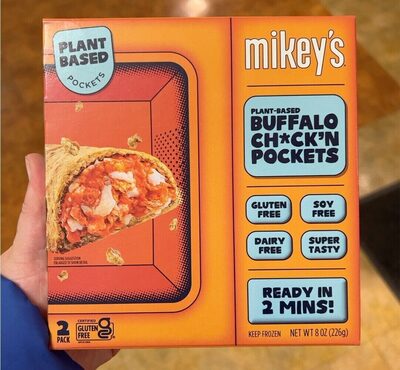
Plant-Based Buffalo Chicken Pockets, Buffalo Chicken
High in sodium — 28% DV per serving
High in saturated fat — 25% DV per serving
239kcal
8.0Protein
12.4Fat
23.9Carbs
JMT Foods
Plant-Based Buffalo Chicken Pockets, Buffalo Chicken
High in sodium — 28% DV per serving
High in saturated fat — 25% DV per serving
239kcal
8.0Protein
12.4Fat
23.9Carbs