Monkeruit Extract
Auto-generated content. This description was generated automatically and is pending editorial review. Inaccuracies are possible. Found a mistake? Contact us.
What it is
Monk fruit extract is a sweetener derived from the monk fruit, a small, round fruit native to Southeast Asia. The extract is made by harvesting the fruit, extracting its juice, and then processing it to isolate the sweet compounds, called mogrosides. These mogrosides are intensely sweet and are what give monk fruit extract its sweetening properties.
Why it's used
Monk fruit extract is used as a natural, zero-calorie sweetener in a variety of food and beverage products. Manufacturers add it to reduce sugar content while maintaining sweetness. It is commonly found in baked goods, beverages, dairy products, and confectionery.
Health notes
In the U.S., monk fruit extract is Generally Recognized As Safe (GRAS) by the FDA for use as a sweetener. Regulatory bodies like JECFA and EFSA have evaluated monk fruit extract and its sweetening compounds. Studies suggest that mogrosides may have antioxidant properties. At typical consumption levels, monk fruit extract is considered safe.
Allergen info
Monk fruit extract is not derived from any of the nine FDA major allergens. It does not contain gluten.
Products containing Monkeruit Extract
Compare products →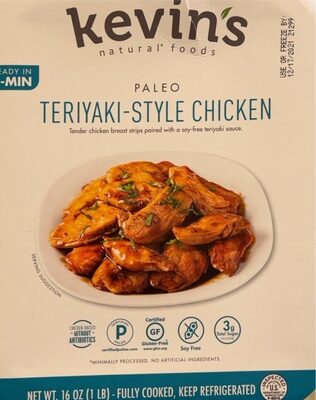 Cal Chefs, LLC
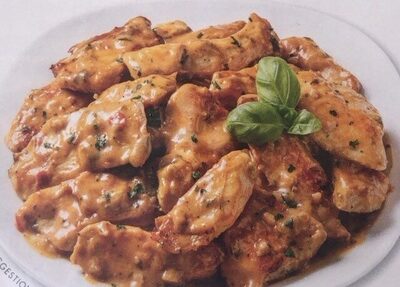
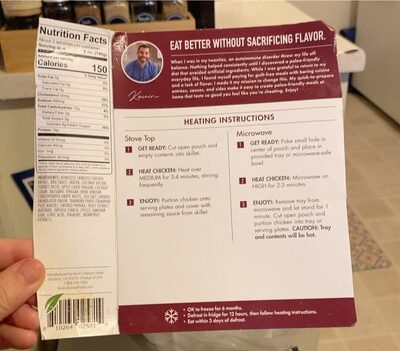
Teriyaki-Style Chicken, Teriyaki-Style
High in sodium — 26% DV per serving
High in cholesterol — 23% DV per serving
107kcal
15.7Protein
2.1Fat
4.3Carbs
Cal Chefs, LLC
Teriyaki-Style Chicken, Teriyaki-Style
High in sodium — 26% DV per serving
High in cholesterol — 23% DV per serving
107kcal
15.7Protein
2.1Fat
4.3Carbs
 Cal Chefs, LLC
Lemongrass Chicken, Lemongrass
High in saturated fat — 20% DV per serving
High in cholesterol — 23% DV per serving
121kcal
16.4Protein
4.3Fat
3.6Carbs
Cal Chefs, LLC
Lemongrass Chicken, Lemongrass
High in saturated fat — 20% DV per serving
High in cholesterol — 23% DV per serving
121kcal
16.4Protein
4.3Fat
3.6Carbs
 Cal Chefs, LLC
Paleo Pulled Chicken With A Sweet & Bold BBQ Sauce, Sweet & Bold BBQ Sauce
High in sodium — 21% DV per serving
107kcal
13.6Protein
1.4Fat
8.6Carbs
Cal Chefs, LLC
Thai-Style Coconut Chicken Meal Kit, Thai-Style Coconut
High in saturated fat — 25% DV per serving
145kcal
8.7Protein
6.5Fat
12.3Carbs
Cal Chefs, LLC
Paleo Pulled Chicken With A Sweet & Bold BBQ Sauce, Sweet & Bold BBQ Sauce
High in sodium — 21% DV per serving
107kcal
13.6Protein
1.4Fat
8.6Carbs
Cal Chefs, LLC
Thai-Style Coconut Chicken Meal Kit, Thai-Style Coconut
High in saturated fat — 25% DV per serving
145kcal
8.7Protein
6.5Fat
12.3Carbs