Auto-generated content.
This description was generated automatically and is pending editorial review.
Inaccuracies are possible. Found a mistake? Contact us.
Source
Unknown
Not yet classified by editors
Allergen
No
Role in food
Manufacturers use mono- and diglycerides as emulsifiers. Emulsifiers help to mix ingredients that don't …
What it is
Mono- and diglycerides are fats that are made from glycerol and fatty acids. They are often produced from vegetable oils, but can also be derived from animal fats. The process involves breaking down fats and then reassembling them into mono- and diglycerides.
Why it's used
Manufacturers use mono- and diglycerides as emulsifiers. Emulsifiers help to mix ingredients that don't normally mix well, like oil and water. They are found in a wide variety of foods, including baked goods, ice cream, and margarine.
Health notes
Mono- and diglycerides are generally recognized as safe (GRAS) by the FDA for use in food. They are a common food additive and are not typically associated with adverse health effects when consumed in normal amounts. International bodies like JECFA and EFSA have also evaluated mono- and diglycerides.
Allergen info
Mono- and diglycerides are not considered a major allergen. They are not derived from milk, egg, fish, shellfish, tree nuts, peanuts, wheat, soy, or sesame. Gluten is not present.
Note:
This site presents label data from USDA FoodData Central for general information. It is not medical advice.
Check the package label; formulations change.
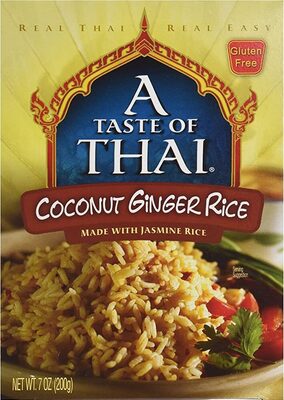 Andre Prost Inc.
Coconut Ginger Rice, Coconut Ginger
360kcal
6Protein
4Fat
76Carbs
Andre Prost Inc.
Coconut Ginger Rice, Coconut Ginger
360kcal
6Protein
4Fat
76Carbs