Monounsaturated Canola Oil
What is Monounsaturated Canola Oil?
Monounsaturated canola oil is a vegetable oil made from the seeds of the canola plant. Canola oil is produced by crushing the seeds to extract the oil, which is then refined and purified. It is known for its mild flavor and high smoke point.
Is Monounsaturated Canola Oil vegan?
Monounsaturated Canola Oil is not animal-derived. Products that contain it can still include other animal-derived ingredients, so check the full ingredient list.
Is Monounsaturated Canola Oil gluten-free?
It does not contain gluten.
Is Monounsaturated Canola Oil a major allergen?
Canola oil is not derived from any of the nine major allergens.
What is Monounsaturated Canola Oil used for?
Manufacturers use canola oil as a cooking oil and as an ingredient in many processed foods.
Is Monounsaturated Canola Oil safe?
Canola oil is generally recognized as safe (GRAS) by the FDA for use in food.
Why it's used
Manufacturers use canola oil as a cooking oil and as an ingredient in many processed foods. Its neutral flavor and liquid state at room temperature make it suitable for salad dressings, baked goods, and fried products. It is often chosen for its relatively low cost and good performance in various cooking applications.
Health notes
Canola oil is generally recognized as safe (GRAS) by the FDA for use in food. It is a source of monounsaturated fats, which are considered healthy fats. The Joint FAO/WHO Expert Committee on Food Additives (JECFA) has evaluated canola oil. Research on the health effects of canola oil is ongoing, with some studies suggesting potential benefits for heart health, while others have raised questions about its processing.
Allergen info
Canola oil is not derived from any of the nine major allergens. It does not contain gluten.
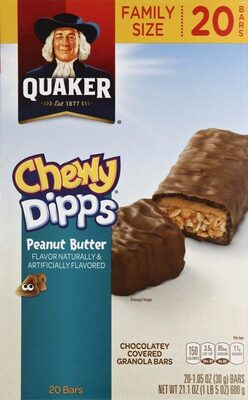
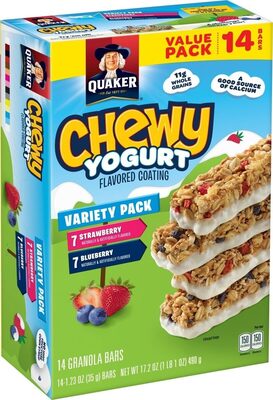
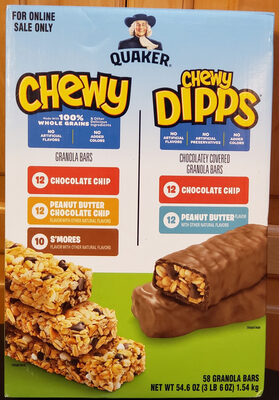
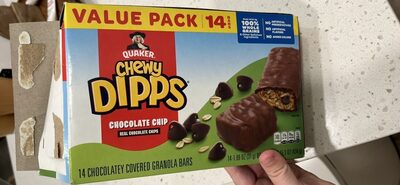
Foods that contain Monounsaturated Canola Oil
Compare products →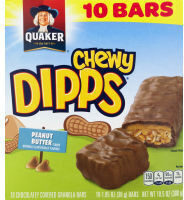
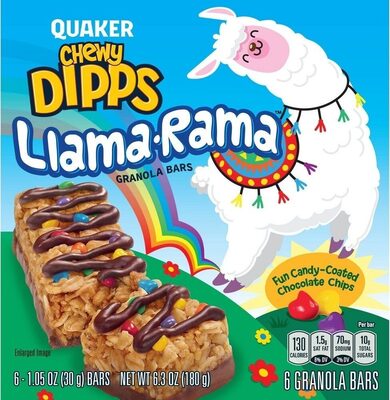

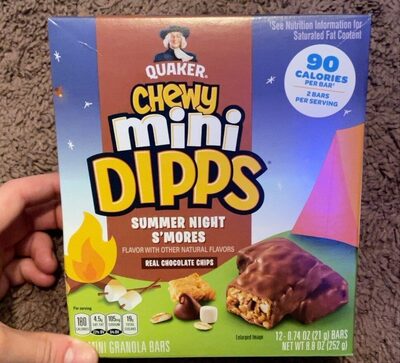
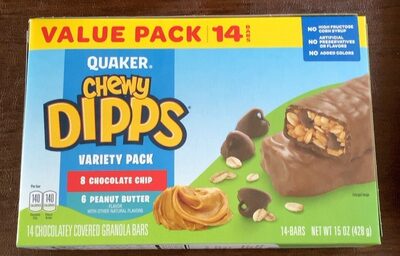
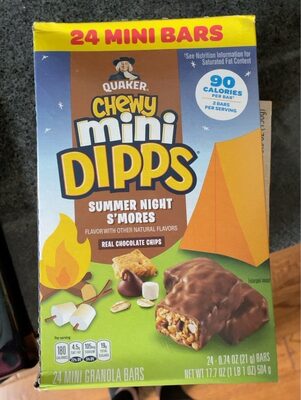

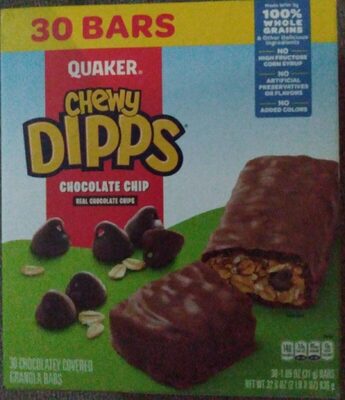
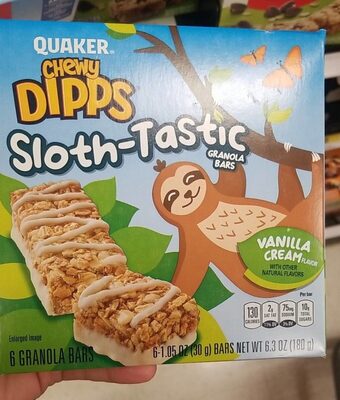
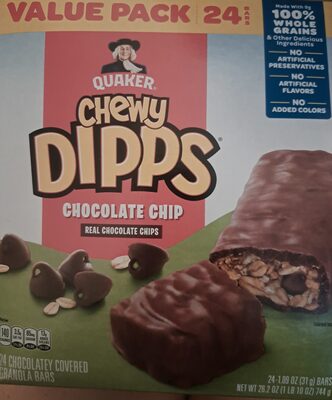
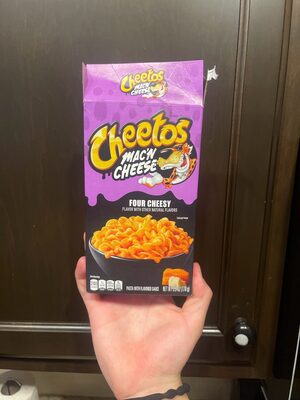
Learn more
Auto-generated content. This description was generated automatically and is pending editorial review. Inaccuracies are possible. Found a mistake? Contact us.