Mytilus Chilensis
What is Mytilus Chilensis?
Mytilus chilensis, commonly known as the Chilean mussel, is a species of marine bivalve mollusk native to the coastlines of Chile and Argentina. These mussels are typically harvested from their natural environment or cultivated in aquaculture farms. They are often sold fresh, frozen, or canned, and are sometimes processed into other food products.
Is Mytilus Chilensis vegan?
No. Mytilus Chilensis is animal-derived, so it is not vegan.
Is Mytilus Chilensis a major allergen?
Mussels are classified as shellfish, which is one of the 9 FDA major food allergens.
What is Mytilus Chilensis used for?
Mussels are primarily used as a food source, valued for their rich, savory flavor and tender texture.
Is Mytilus Chilensis safe?
Mussels are a natural food product and are not typically subject to FDA additive regulations.
Why it's used
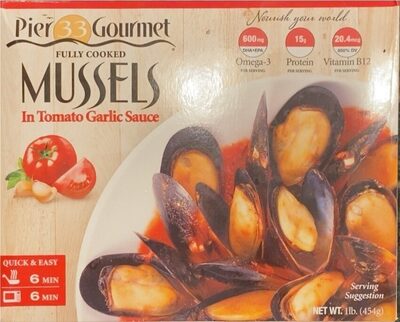
Mussels are primarily used as a food source, valued for their rich, savory flavor and tender texture. They can be prepared in a variety of ways, such as steamed, sautéed, or added to pasta dishes, soups, and stews. Manufacturers may also use them as a key ingredient in prepared meals and seafood entrees.
Health notes
Mussels are a natural food product and are not typically subject to FDA additive regulations. They are a good source of protein, vitamins, and minerals. The Joint FAO/WHO Expert Committee on Food Additives (JECFA) has evaluated mussels as a food commodity. There are no widespread controversies regarding their consumption at typical levels.
Allergen info
Mussels are classified as shellfish, which is one of the 9 FDA major food allergens. Individuals with shellfish allergies should avoid consuming mussels.
Foods that contain Mytilus Chilensis
Compare products →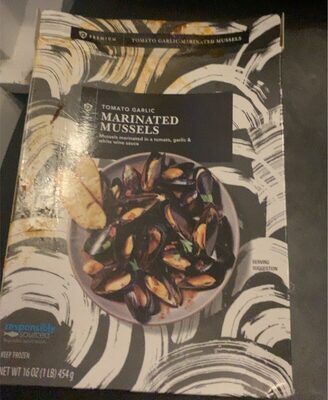
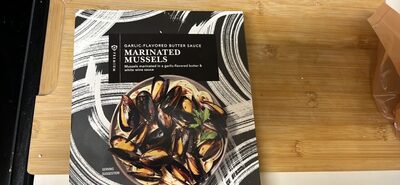
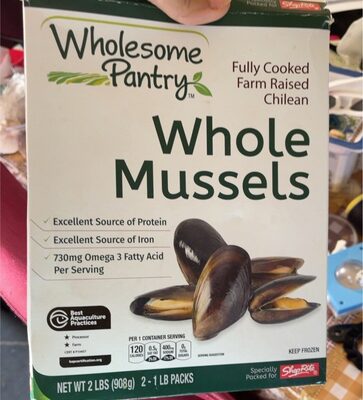
Auto-generated content. This description was generated automatically and is pending editorial review. Inaccuracies are possible. Found a mistake? Contact us.