Naturally Occurring Sulfites
What is Naturally Occurring Sulfites?
Sulfites are naturally occurring compounds found in small amounts in many foods, including fruits, vegetables, and grains. They are also produced during fermentation processes, such as in wine and beer. While some sulfites occur naturally, they are also commonly added to foods as a preservative.
Is Naturally Occurring Sulfites gluten-free?
Gluten is not typically associated with sulfites unless they are added to gluten-containing products.
Is Naturally Occurring Sulfites a major allergen?
Sulfites are not one of the 9 FDA major allergens.
What is Naturally Occurring Sulfites used for?
Added sulfites act as a preservative by preventing oxidation and inhibiting the growth of bacteria, yeast, and mold.
Is Naturally Occurring Sulfites safe?
The FDA considers sulfites generally recognized as safe (GRAS) when used as a preservative, but requires labeling when added in amounts of 10 parts per million or more.
Why it's used
Added sulfites act as a preservative by preventing oxidation and inhibiting the growth of bacteria, yeast, and mold. This helps maintain the color and freshness of foods. They are often found in dried fruits, processed potatoes, wine, beer, and some baked goods.
Health notes
The FDA considers sulfites generally recognized as safe (GRAS) when used as a preservative, but requires labeling when added in amounts of 10 parts per million or more. Some individuals, particularly those with asthma, may experience sensitivity reactions to sulfites. Regulatory bodies like the WHO/IARC and EFSA have evaluated sulfites. Evidence regarding the extent and prevalence of sulfite sensitivity is mixed, with some studies suggesting higher prevalence in asthmatics.
Allergen info
Sulfites are not one of the 9 FDA major allergens. Gluten is not typically associated with sulfites unless they are added to gluten-containing products.
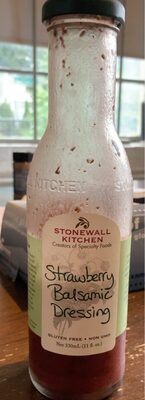
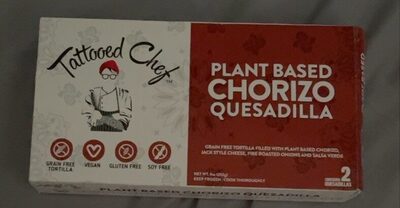
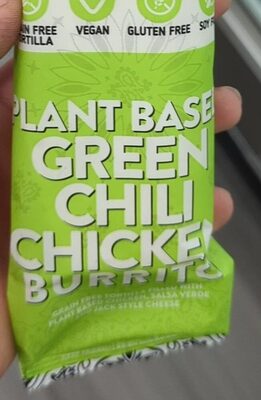
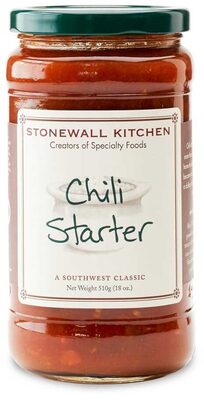
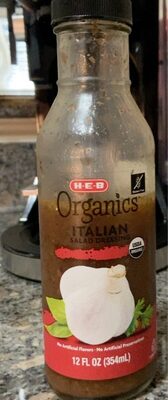
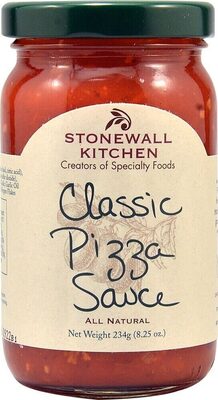
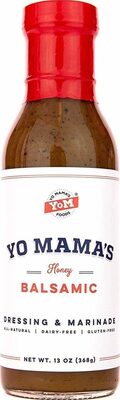
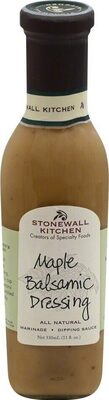
Foods that contain Naturally Occurring Sulfites
Compare products →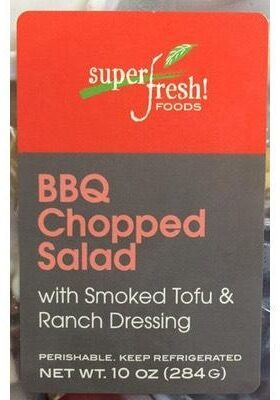
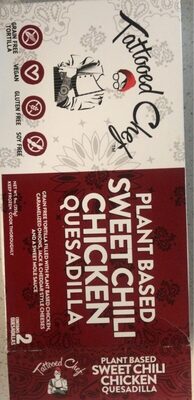
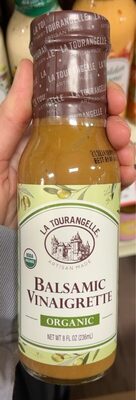
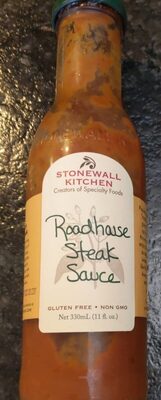
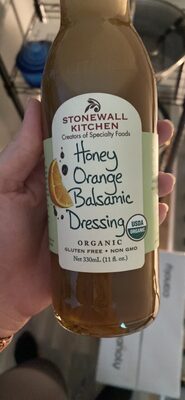
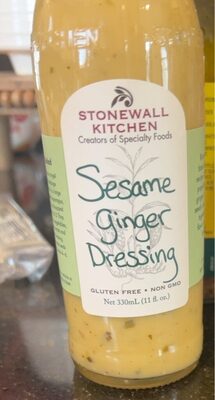
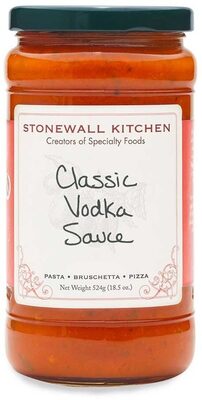
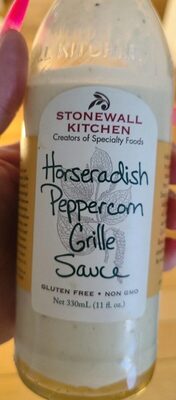
Learn more
Auto-generated content. This description was generated automatically and is pending editorial review. Inaccuracies are possible. Found a mistake? Contact us.