Non-aluminum Baking Powder
Auto-generated content. This description was generated automatically and is pending editorial review. Inaccuracies are possible. Found a mistake? Contact us.
What it is
Non-aluminum baking powder is a leavening agent used in baking. It typically contains an acid salt like cream of tartar or monocalcium phosphate, a base like baking soda (sodium bicarbonate), and a starch such as cornstarch to absorb moisture and prevent premature reaction. Unlike traditional baking powder, it does not contain aluminum-based compounds.
Why it's used
It is added to baked goods to make them rise and become light and fluffy. Manufacturers use it in products like cakes, cookies, muffins, and quick breads. It is also found in some savory mixes and snack foods.
Health notes
Non-aluminum baking powder ingredients are generally recognized as safe (GRAS) by the FDA for their intended use. The primary leavening agent, sodium bicarbonate, is a common household item. Acid salts like cream of tartar and monocalcium phosphate are also widely used and considered safe. International bodies like JECFA have evaluated some of these components. Evidence does not suggest adverse health effects from consuming typical amounts found in food.
Allergen info
Not a major allergen. Cornstarch, a common component, is derived from corn, which is not one of the nine major allergens. Gluten-free if cornstarch is used.
Products containing Non-aluminum Baking Powder
Compare products →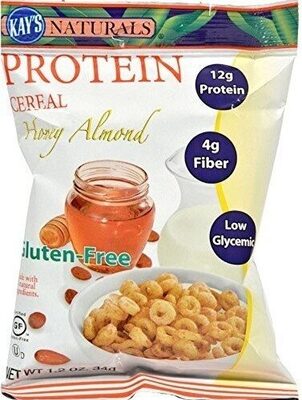 Kay's Naturals, Inc.
Honey Almond Protein Cereal, Honey Almond
353kcal
35.3Protein
4.4Fat
52.9Carbs
Kay's Naturals, Inc.
Honey Almond Protein Cereal, Honey Almond
353kcal
35.3Protein
4.4Fat
52.9Carbs